

Dubai Trade & Logistics has become one of the most important parts of Dubai’s economy and its position as a global business hub. The city connects manufacturers, traders, shipping companies, airlines, logistics providers and customers across the Middle East, Asia, Europe and Africa.
Dubai’s strength comes from more than its location. Its ports, airports, highways, warehouses, free zones, customs services and digital trade systems work together to create a connected Dubai logistics hub for international commerce.
Why Is Dubai a Global Trade and Logistics Hub?
Dubai has developed into a major global trade hub because it brings several parts of the international supply chain together.
Businesses can use Dubai for:
- Import and export
- International shipping
- Air cargo
- Warehousing
- Distribution
- Re-export
- Freight and logistics
- Manufacturing
- E-commerce fulfilment
- Regional supply-chain management
This integrated system allows companies to move products between international markets while using Dubai as a regional business and distribution base.
Why Is Dubai a Global Business Hub?
Dubai’s Strategic Location for Global Trade
Dubai’s strategic location is one of the biggest reasons for its success in international trade.
The city sits between major markets in Asia, Europe and Africa and provides access to the wider Middle East and Gulf region.
For international companies, this creates an opportunity to establish a regional base in Dubai and serve several markets from one location.
This is particularly useful for businesses involved in trading, distribution, manufacturing, e-commerce and logistics.
Dubai Free Zones: Major Zones, Industries & Business Benefits
Dubai as a Global Trade Hub
The phrase Dubai trade hub describes more than the city’s traditional role as a place where goods are bought and sold.
Dubai has developed a complete commercial ecosystem around international trade.
It includes:
- Ports
- Airports
- Free zones
- Customs facilities
- Warehouses
- Logistics companies
- Distribution centres
- Trading companies
- Financial services
- Digital trade platforms
Together, these systems support the movement of goods from suppliers to customers across different countries.
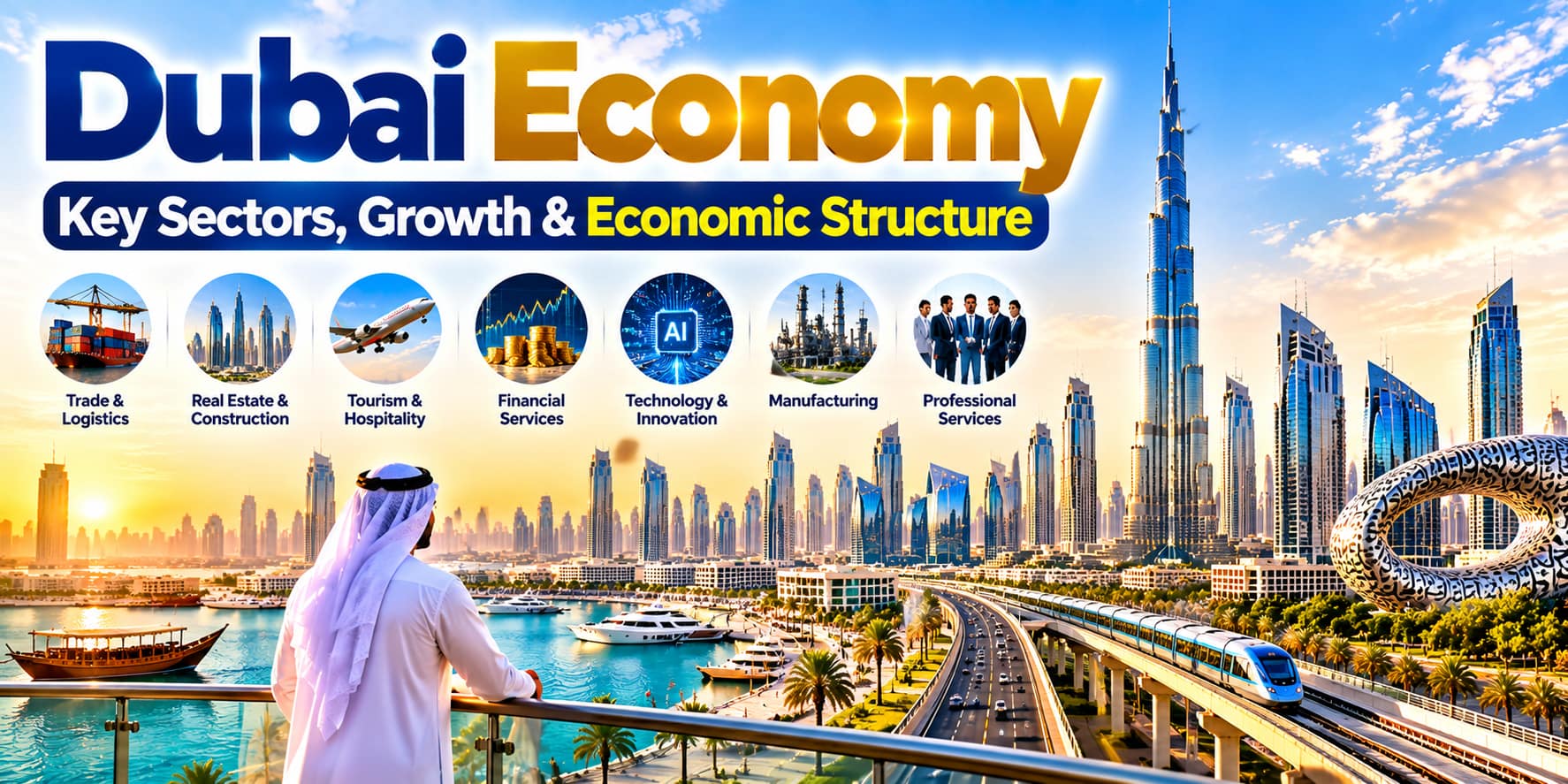
Dubai Economy: Key Sectors, Growth & Economic Structure
Jebel Ali Port and Dubai’s Maritime Trade
Jebel Ali Port is a major part of Dubai’s international shipping and logistics network.
The port connects Dubai with global maritime trade routes and supports container shipping, cargo movement, imports, exports and re-export activity.
Its importance also comes from its connection with the wider Jebel Ali business and logistics ecosystem.
Companies can use the surrounding infrastructure for storage, distribution, manufacturing and international trade, creating a close connection between Dubai shipping and logistics.
JAFZA and International Trade
The Jebel Ali Free Zone, or JAFZA, is closely connected to Jebel Ali Port and plays an important role in Dubai’s trade ecosystem.
JAFZA supports businesses involved in:
- Logistics
- International trading
- Manufacturing
- Warehousing
- Distribution
- Automotive
- Food and agriculture
- E-commerce
- Industrial products
The combination of Jebel Ali Port and JAFZA allows businesses to connect maritime transportation with storage, manufacturing and regional distribution.
This makes the area particularly important for Dubai international trade.
Dubai Airports and Air Cargo
Dubai’s trade network is not dependent only on shipping.
Air cargo is another important part of the city’s logistics infrastructure.
Dubai International Airport and Al Maktoum International Airport support the movement of goods that require speed and international connectivity.
Air freight is particularly useful for:
- Electronics
- Pharmaceuticals
- Perishable products
- High-value goods
- Express shipments
- E-commerce orders
- Time-sensitive cargo
This gives companies another option when sea freight is too slow for their requirements.
Dubai Logistics Hub: Sea, Air and Land Connectivity
One of Dubai’s biggest advantages is its multimodal logistics network.
Goods can move through several transportation methods depending on their destination and urgency.
For example:
Sea → Port → Warehouse → Road → Regional Market
or:
Air → Cargo Terminal → Distribution Centre → Road → Customer
This flexibility allows businesses to balance delivery speed, transportation costs and cargo requirements.
Dubai Logistics Corridor
The Dubai Logistics Corridor is an important part of Dubai’s long-term logistics strategy.
It connects major transportation and logistics zones around Jebel Ali and Al Maktoum International Airport, bringing sea, air and land transportation closer together.
The purpose is to improve the movement of cargo between different transportation modes and make Dubai’s supply-chain network more efficient.
For businesses handling international cargo, this type of connectivity can be particularly valuable.
Dubai Re-Export Hub
Dubai is also an important re-export hub.
Re-exporting means goods can enter Dubai from one country and then be shipped onward to another market.
This is especially useful for international trading companies that want to use Dubai as a regional distribution centre.
A company can source products from Asia, bring them into Dubai, store or distribute them through the city’s logistics network, and then send them to customers in other markets.
This model has helped strengthen Dubai’s role in global commerce.
Dubai Trade Routes to Global Markets
Dubai’s trade network connects businesses with several major regions.
Dubai and Asia
Asia is a major source of manufactured goods, electronics, machinery, consumer products and other merchandise.
Dubai’s shipping and air-cargo connections make it an important link between Asian suppliers and markets across the Middle East, Africa and Europe.
Dubai and Europe
European companies use Dubai for regional trade, distribution, logistics and market expansion.
The city’s international transportation network allows businesses to maintain commercial connections with European suppliers and customers.
Dubai and Africa
Dubai also serves as an important commercial gateway to African markets.
Companies can use Dubai for the import, storage, distribution and re-export of products destined for different African economies.
Dubai and the Middle East
Dubai’s location within the Gulf makes it a major regional distribution point for businesses serving Middle Eastern markets.
Road, sea and air connections allow goods to move from Dubai into neighbouring markets.
Dubai Supply Chain and Logistics
Modern businesses depend on reliable Dubai supply chain infrastructure.
A product may pass through several stages before reaching its final customer:
- Manufacturing
- International shipping
- Customs
- Warehousing
- Inventory management
- Distribution
- Regional transportation
- Final delivery
Dubai provides infrastructure for many of these stages within a connected commercial environment.
This is particularly useful for companies managing complex international supply chains.
Dubai Warehousing and Distribution
Warehousing is an essential part of the Dubai logistics industry.
Companies can use warehouses and distribution facilities to store products before they are delivered to customers or re-exported to other markets.
Warehousing is important for industries such as:
- Retail
- E-commerce
- Food
- Electronics
- Automotive
- Pharmaceuticals
- Industrial equipment
- Consumer goods
The availability of different types of logistics facilities allows businesses to design distribution systems around their individual requirements.
Dubai Logistics for E-Commerce
The growth of online shopping has increased demand for fast and reliable logistics.
An e-commerce company needs more than a website. It also needs systems for:
- Importing products
- Inventory storage
- Order processing
- Packaging
- Fulfilment
- Delivery
- Returns
- Cross-border shipping
Dubai’s logistics infrastructure makes the city attractive to businesses that want to serve customers across the UAE and wider regional markets.
Dubai Logistics for Manufacturing
Manufacturing businesses also depend heavily on logistics.
Factories need regular access to raw materials, components, machinery and packaging supplies. Finished products then need to reach distributors and customers.
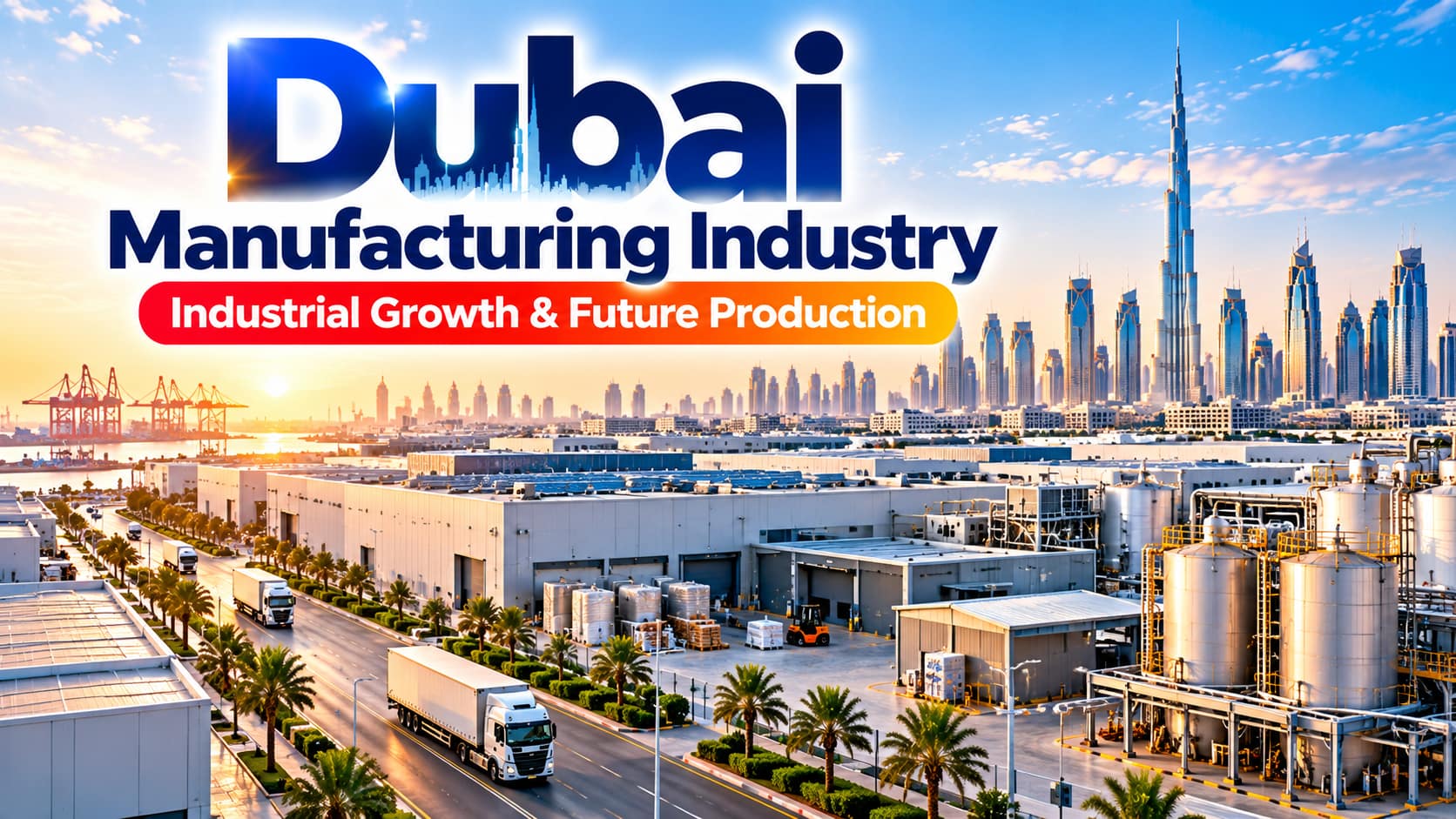
Dubai’s combination of ports, airports, roads, warehouses and industrial areas allows manufacturers to connect production with international supply chains.
This makes logistics an important part of Dubai’s broader manufacturing and industrial economy.
Dubai Automotive Logistics
The automotive industry is another major user of Dubai’s logistics infrastructure.
Vehicles and spare parts can move through ports, warehouses, free zones and distribution networks.
Dubai can function as a regional base for:
- Spare-parts distribution
- Automotive trading
- Vehicle re-export
- Warehousing
- Regional distribution
- Vehicle imports
The connection between maritime transport and regional road networks is particularly important for automotive businesses.
Dubai Air Cargo and Time-Sensitive Trade
Air cargo provides a faster alternative to maritime shipping.
Businesses may choose air freight when products are:
- High value
- Perishable
- Urgent
- Lightweight
- Time-sensitive
Dubai’s international aviation network gives companies access to a large number of destinations, making Dubai air cargo an important part of the wider trade system.
Dubai Customs and Trade Facilitation
Customs is a critical part of international trade.
Businesses moving goods across borders need efficient systems for declarations, documentation, inspections and clearance.
Dubai has developed digital customs and trade processes designed to improve cargo movement while maintaining security and regulatory compliance.
Efficient customs procedures are especially important for companies handling large volumes of international shipments.
Dubai Trade and Digital Logistics
Technology is increasingly changing the Dubai logistics industry.
Digital systems can help businesses manage:
- Cargo tracking
- Inventory
- Customs documentation
- Warehouse operations
- Freight
- Supply-chain visibility
- Delivery management
Digitalisation allows companies to monitor goods more effectively and respond more quickly when supply-chain conditions change.
Why Do Global Companies Choose Dubai for Logistics?
Companies looking for an international logistics base often consider several Dubai advantages together.
Strategic Location
Dubai connects major markets across multiple regions.
Port Infrastructure
Jebel Ali provides an important maritime gateway for international shipping.
Air Connectivity
Dubai’s airports support international passenger and cargo networks.
Road Network
Dubai’s highways connect logistics facilities with the UAE and wider Gulf markets.
Free Zone Ecosystem
Specialised business zones support trading, logistics, manufacturing and distribution companies.
Re-Export Opportunities
Companies can use Dubai as a regional distribution and re-export base.
Multimodal Transportation
Sea, air and land transportation can work together within the wider logistics network.
Dubai Trade and Logistics for International Businesses
For an international company, Dubai can serve several purposes at the same time.
It can function as:
- A regional headquarters
- A distribution centre
- A re-export base
- A logistics hub
- A warehousing location
- A trading centre
- An e-commerce fulfilment base
- A gateway to Middle Eastern markets
This flexibility is one of the reasons Dubai has attracted companies from many different industries.
Dubai Trade, Logistics and Global Markets
The relationship between Dubai trade and global markets is becoming increasingly important as businesses look for efficient regional supply chains.
Companies no longer need only a location close to customers. They also need reliable access to suppliers, transportation, warehousing, technology and alternative trade routes.
Dubai’s logistics ecosystem brings many of these requirements together.
The Future of Dubai Trade and Logistics
Dubai’s future logistics strategy is increasingly focused on connectivity, technology and supply-chain efficiency.
Important areas of development include:
- Smart logistics
- Digital trade
- E-commerce
- Air cargo
- Maritime connectivity
- Automated warehouses
- Multimodal transportation
- Supply-chain technology
- Regional trade corridors
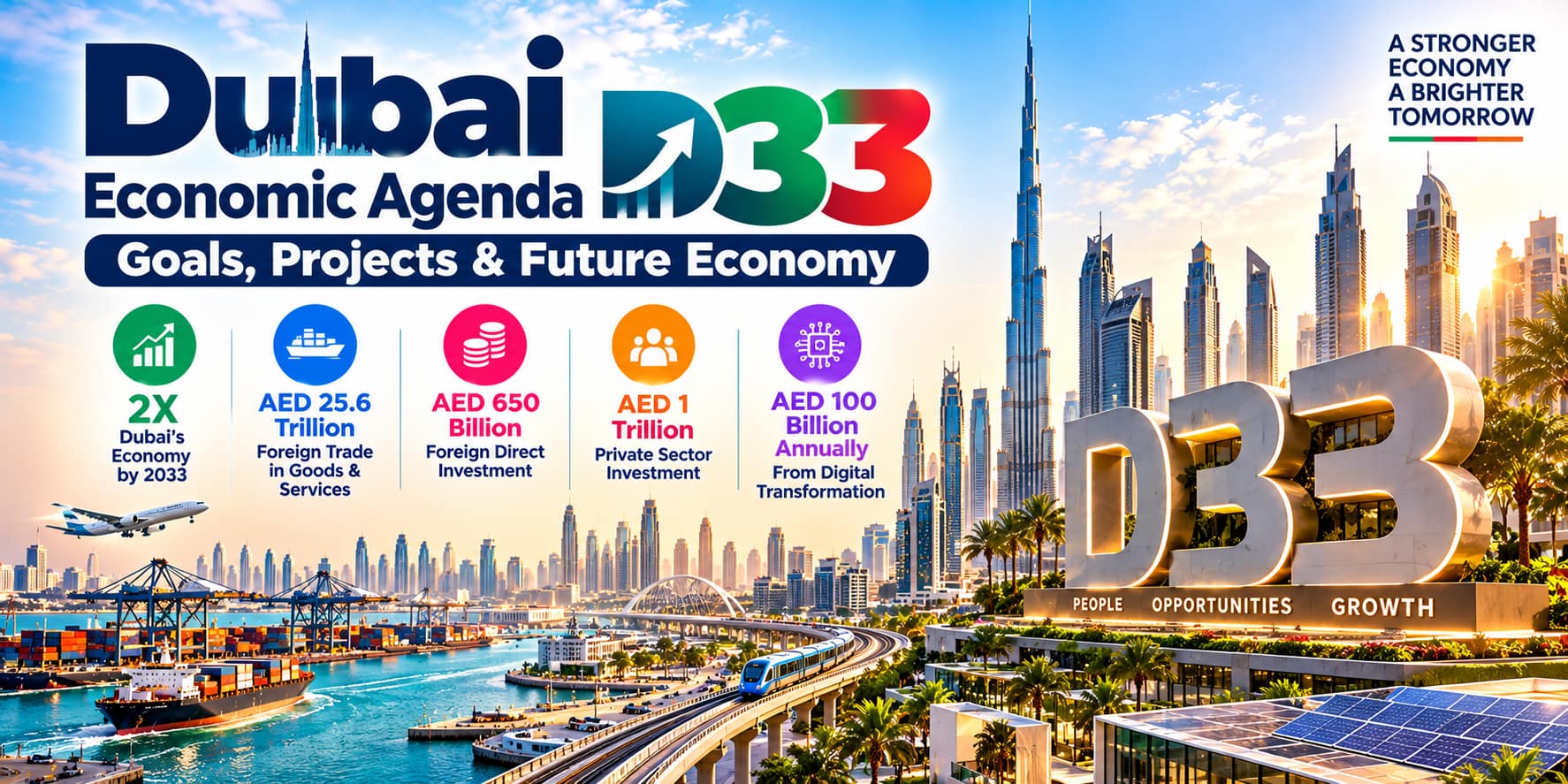
The city’s long-term economic plans also place strong emphasis on expanding international trade and strengthening Dubai’s position among the world’s leading logistics centres.
How Dubai Connects Global Markets
The real strength of Dubai Trade & Logistics is the way different systems work together.
A product can arrive at a port, move into a nearby logistics facility, be stored or processed, and then travel by road or air to another market.
A different shipment may arrive by air, enter a distribution centre and then move by road to customers across the Gulf.
This integration allows Dubai to function as more than a shipping location or airport hub. It operates as a connected global trade and logistics platform.
Dubai Trade & Logistics: A Gateway to the World
Dubai Trade & Logistics has become a central part of the city’s economic model and its role in international commerce.
Its strategic location, maritime infrastructure, airports, road network, free zones, warehouses and digital trade systems allow businesses to connect with markets across Asia, Europe, Africa and the Middle East.
From shipping and re-export to e-commerce, manufacturing, air cargo and regional distribution, Dubai’s logistics ecosystem supports a wide range of industries.
For global companies looking for a strategic base between major international markets, Dubai’s trade and logistics network provides a powerful connection between where products are made and where they are ultimately sold.









Why Is Dubai A Global Business Hub? Key Reasons
[…] Dubai Trade & Logistics: How the City Connects Global Markets […]