
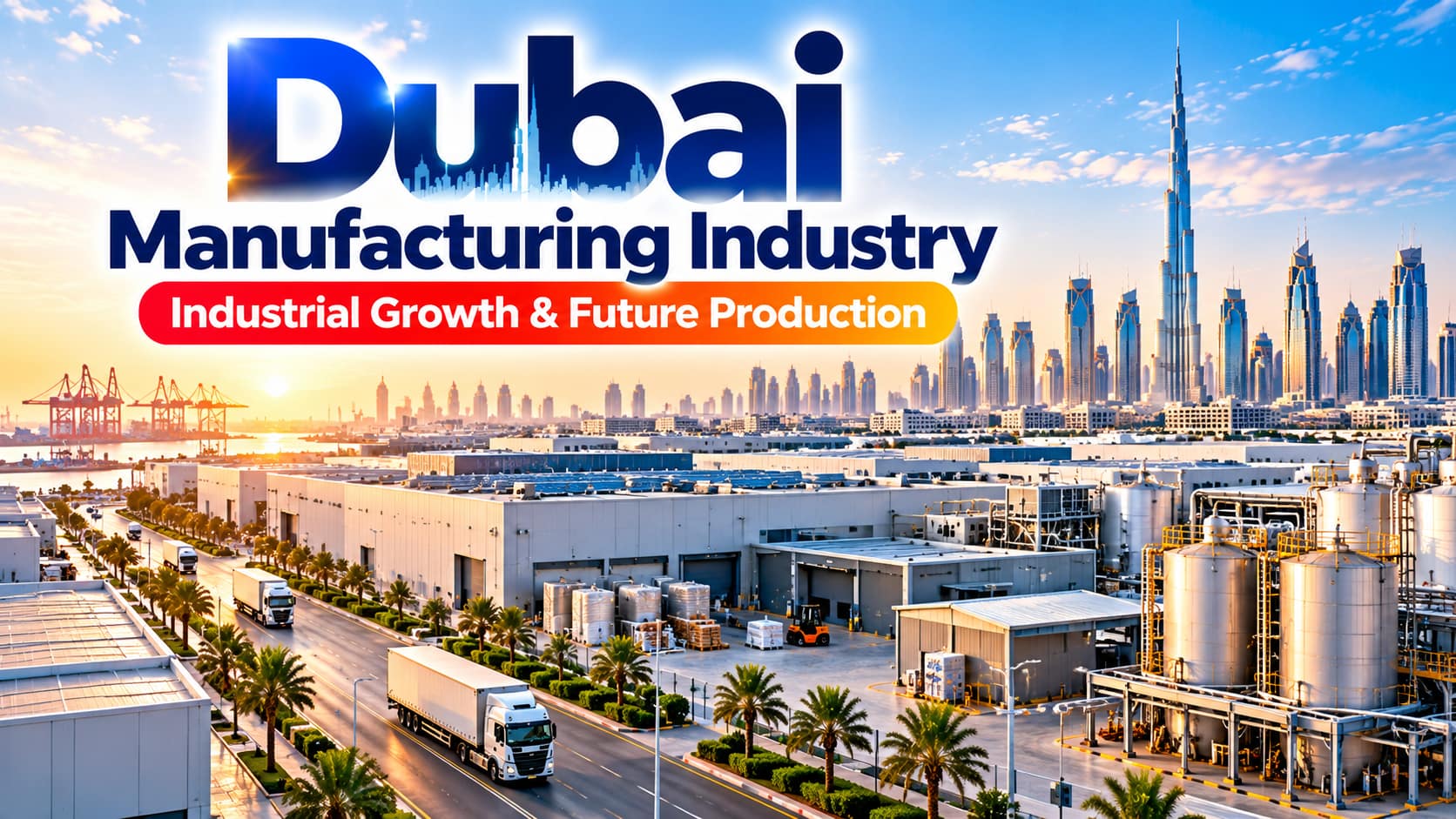
Dubai’s manufacturing industry includes factories and industrial businesses that produce, process, assemble and package goods. These activities range from food and beverage production to metal fabrication, machinery, chemicals and selected healthcare products.
Unlike retail businesses that sell finished goods to customers, manufacturers create products or transform materials into usable goods. Dubai supports these activities through dedicated industrial districts, manufacturing facilities and specialised business zones.
The main locations to understand are Dubai Industrial City, Jebel Ali Free Zone (JAFZA), National Industries Park (NIP), Dubai Investment Park (DIP) and Al Quoz Industrial Area. Each has a different business environment, and not every company located in these areas is a manufacturer.
1. Where Are Dubai’s Main Manufacturing Areas Located?
Dubai Industrial City
Dubai Industrial City is one of Dubai’s dedicated manufacturing destinations. It is located in the southern part of the emirate, in the wider industrial corridor near Jebel Ali and Dubai South. Its location also places it within reach of Al Maktoum International Airport and major road connections.
The district is organised around six sector-focused zones covering base metals, machinery, minerals, food and beverages, transport-related industries and chemicals. This makes it particularly relevant for businesses that need industrial land, production facilities and space for manufacturing operations.
Examples of activities supported in this area include food processing, beverage production, metal products, machinery and industrial materials. The district is home to manufacturers producing goods for local and wider markets.
Dubai Industrial City is therefore one of the most important locations to mention when explaining where manufacturing takes place in Dubai. Its dedicated industrial planning distinguishes it from ordinary commercial districts.
Dubai Finance & Financial Services: DIFC, Banking & Investment
Dubai Technology & Innovation Economy: AI, ICT & Startups
Jebel Ali Free Zone (JAFZA)
Jebel Ali Free Zone is located around the Jebel Ali industrial and commercial area in western Dubai. It is a major free zone supporting a wide range of businesses, including manufacturers, traders and distributors.
Manufacturing activities in JAFZA include food and beverages, healthcare-related products, pharmaceuticals, petrochemicals and industrial equipment. Businesses may undertake production, processing, packaging, labelling or assembly depending on their facilities and approved activities.
JAFZA is not exclusively a manufacturing zone. It also accommodates companies involved in trading, storage and other commercial operations. Its importance to manufacturing comes from the concentration of industrial businesses and the facilities available to support their operations.
National Industries Park (NIP)
National Industries Park is located in Dubai’s Jebel Ali industrial district. It is a dedicated industrial area offering land and facilities for businesses that need to establish or expand production operations.
Its industry segments include food and agriculture, petrochemicals, home appliances, apparel and general manufacturing. Industrial businesses can use the area to develop production facilities suited to their individual requirements.
NIP is particularly relevant to companies that need industrial premises rather than a conventional office or retail location. Its manufacturing focus makes it another important part of Dubai’s industrial landscape.
Although NIP and JAFZA are both associated with the Jebel Ali area, they should not be treated as the same development. They are distinct industrial and business destinations with different facilities and operating arrangements.
Dubai Investment Park (DIP)
Dubai Investment Park is a mixed-use business and industrial development in southern Dubai. It includes industrial, commercial and other facilities, allowing different types of businesses to operate within the wider development.
Manufacturing companies may use suitable premises for production, assembly, fabrication and related industrial activities. The exact operations depend on the facility, the nature of the business and the applicable approvals.
DIP is broader than a manufacturing-only district. Its relevance lies in providing industrial premises within a larger business environment.
Al Quoz Industrial Area
Al Quoz Industrial Area is located in western Dubai, within the wider Al Quoz district. It is known for a mixture of workshops, industrial premises, fabrication businesses, repair facilities and other commercial operations.
Activities can include metal fabrication, furniture-related production, workshops and selected small- or medium-scale manufacturing operations. Businesses vary considerably in size, and not every workshop is a factory.
Al Quoz is useful to include because manufacturing and production-related activities are not limited to large industrial parks. Smaller businesses and specialised workshops also form part of Dubai’s wider industrial economy.
2. What Products Are Manufactured in Dubai?
Dubai’s manufacturing industry covers several product categories. The scale and specialisation of production vary between companies and industrial locations.
Dubai Employment & Workforce: Jobs, Skills & Global Talent
Food and Beverages
Food manufacturing includes processing ingredients, producing packaged food, preparing beverages and packaging finished products. Manufacturers may supply supermarkets, restaurants, hotels and other commercial customers.
Dubai Industrial City and JAFZA are among the locations associated with food and beverage manufacturing.
Metals and Industrial Materials
Metal-related manufacturing includes fabricated metal products, aluminium components, steel products and materials used in construction and industrial applications.
Dubai Industrial City has a dedicated base-metals zone, while National Industries Park accommodates businesses in manufacturing and industrial materials. Individual products vary according to the equipment and capabilities of each manufacturer.
Dubai Retail & Wholesale Trade: A Major Economic Sector
Machinery and Equipment
This category includes industrial machinery, mechanical components, equipment parts and selected specialised products.
Dubai Industrial City identifies machinery and equipment as one of its dedicated industrial sectors. These businesses serve customers that need equipment for manufacturing and other commercial operations.
Pharmaceuticals and Healthcare Products
Pharmaceutical and healthcare-related activities include selected medicine manufacturing, medical products, healthcare supplies and product packaging.
JAFZA accommodates companies in healthcare and pharmaceuticals, although not every company in this sector manufactures products. Many businesses are involved in trading, distribution or storage, so these activities should be distinguished from actual production.
Chemicals and Petrochemicals
Chemical and petrochemical businesses process or manufacture materials used in industrial and commercial applications. Products and processes differ significantly depending on the company.
Dubai Industrial City includes a dedicated chemicals zone, while National Industries Park and JAFZA also support businesses in relevant industrial categories.
Other Manufactured Products
Other activities can include plastics, packaging materials, household products, furniture-related goods, apparel and selected electrical or consumer products.
The range of products reflects the diversity of Dubai’s industrial businesses. However, the presence of a sector in an industrial district does not mean every product in that category is manufactured there at a large scale.
3. Local and International Manufacturing Companies in Dubai
Dubai’s manufacturing industry is not limited to companies established by UAE nationals or businesses that originated in Dubai. The sector includes locally developed manufacturers, UAE-based industrial groups, regional businesses and international companies that operate production facilities or industrial operations in the emirate.
Local and UAE-Based Manufacturers
Home-grown businesses play an important role in Dubai’s industrial development. These companies manufacture products for domestic customers and, in some cases, supply markets outside the UAE.
Examples include Al Barakah Dates, which is associated with date processing and food products, and UAE-based industrial businesses operating in areas such as plastics, rubber products, metals and electrical equipment.
Local manufacturers contribute to industrial employment, product development and the growth of the UAE’s domestic production capabilities.
International Manufacturing Companies
Dubai also attracts multinational companies that establish or expand manufacturing-related operations in its industrial districts. These businesses may produce goods locally, process or package products, assemble components, or operate specialised facilities serving regional markets.
Dubai Industrial City has identified companies such as Unilever and Patchi among the businesses in its industrial ecosystem. Jebel Ali Free Zone also hosts manufacturing companies across sectors including food and beverages, healthcare, pharmaceuticals and petrochemicals.
The exact activities of each company differ. A company’s presence in an industrial zone does not necessarily mean that all its products are manufactured in Dubai; some businesses may also conduct trading, distribution, packaging or other operations.
Why Do Foreign Companies Manufacture in Dubai?
International manufacturers may choose Dubai because it offers dedicated industrial facilities, access to a diverse business environment, opportunities to serve regional customers and the ability to establish operations under the applicable UAE ownership and regulatory framework.
Some companies operate wholly owned subsidiaries, while others work through joint ventures, partnerships or other corporate structures. The arrangement depends on the company, the activity and the relevant legal requirements.
This mix of local and international businesses helps make Dubai’s manufacturing sector an internationally connected industrial ecosystem rather than a sector dominated by a single nationality.
4. Why Do Manufacturers Choose These Industrial Locations?
Manufacturing businesses require more than office space. Depending on their operations, they may need production floors, industrial land, machinery, power supply, storage areas, specialised facilities and room for future expansion.
Dedicated industrial districts provide environments designed around these requirements. Businesses can assess available facilities according to their production processes, workforce needs, costs and operational plans.
The differences between industrial locations matter. A company producing packaged food may need facilities suited to food safety and processing, while a metal fabrication business may require space for heavy equipment and material handling.
Some industrial areas are free zones, while others operate under different development and regulatory arrangements. Companies must assess the legal status, permitted activities and requirements of a particular location before choosing where to operate.
5. Dubai Industrial Strategy 2030 and Manufacturing Growth
Dubai Industrial Strategy 2030 provides a government framework for strengthening manufacturing and increasing the value generated by industrial production.
The strategy identifies six priority subsectors: aerospace, maritime, aluminium and fabricated metals, pharmaceuticals and medical equipment, food and beverages, and machinery and equipment.
Its objectives include increasing manufacturing output, improving industrial value addition, encouraging knowledge and innovation, attracting international manufacturing businesses and promoting energy-efficient production.
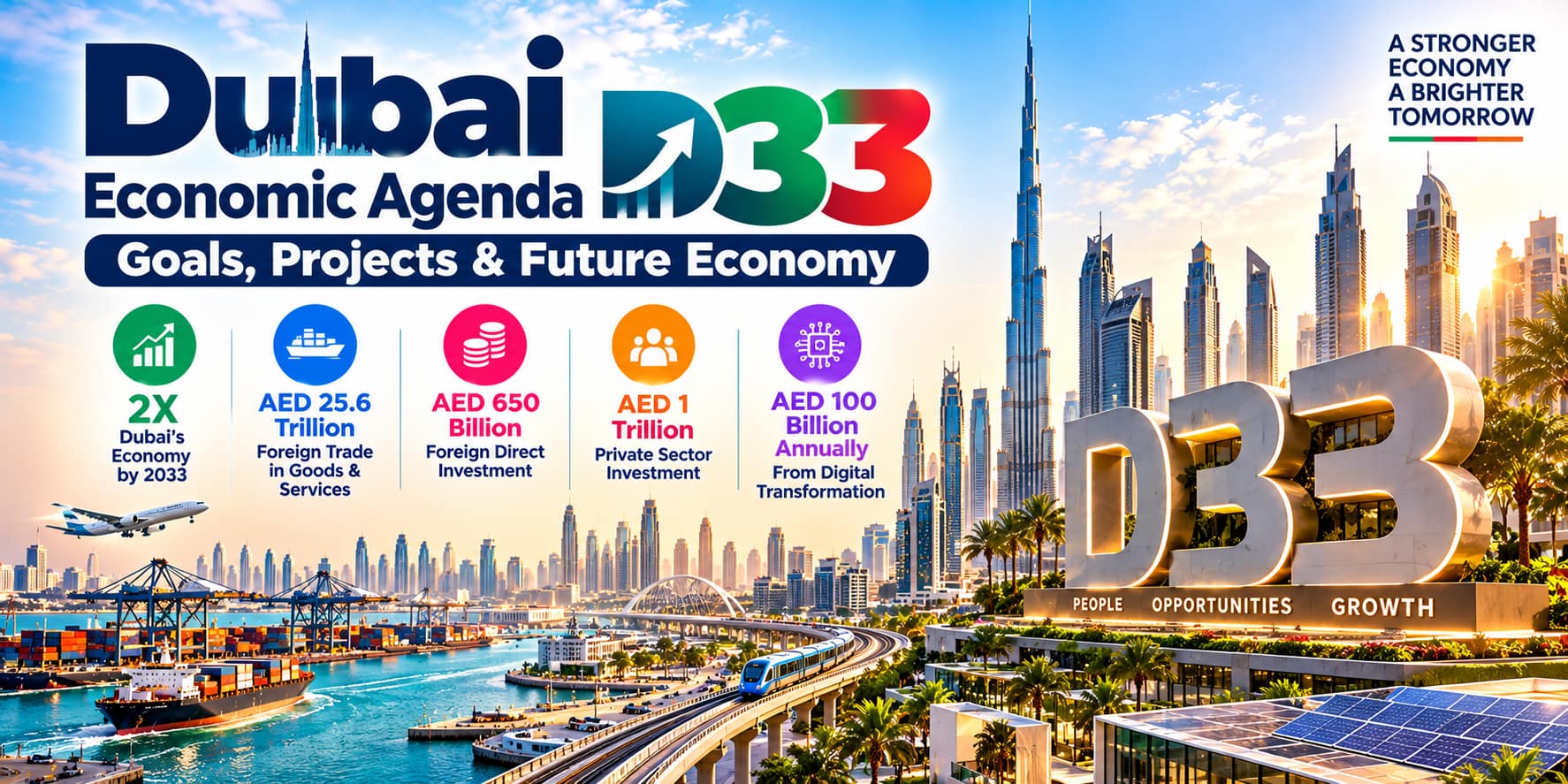
Dubai Economic Agenda D33 also supports the emirate’s wider ambition to expand its economy and strengthen its international competitiveness by 2033. Manufacturing is one of the areas through which Dubai aims to develop additional economic value.
These strategies explain the direction of industrial policy. Actual manufacturing growth still depends on business investment, market demand, production costs, workforce capabilities and the performance of individual companies.
6. Manufacturing Investment, Jobs and Skills
Manufacturing investment can involve significant expenditure on industrial premises, machinery, equipment, raw materials and quality-control systems. Businesses must evaluate demand for their products before deciding how much production capacity to establish.
Industrial companies also create jobs in production, machine operation, engineering, equipment maintenance, quality assurance, supervision and technical management.
The skills required depend on the industry. Food production, metal fabrication, pharmaceuticals and machinery manufacturing each have different technical and operational requirements.
Manufacturers must also maintain appropriate safety procedures and product standards. Businesses producing regulated goods may face additional requirements relating to product approvals, testing and manufacturing processes.
For investors, the main consideration is whether the proposed operation can produce suitable goods at a competitive cost while meeting relevant regulatory and quality requirements.
7. Challenges Facing Dubai’s Manufacturing Industry
Manufacturers face several challenges that influence their competitiveness.
Operating costs: Industrial premises, equipment, energy, labour and raw materials all affect production costs.
Workforce requirements: Some production processes need experienced technicians, engineers and specialised operators. Recruiting and training suitable employees can be essential.
Product quality: Manufacturers must maintain consistent quality to meet customer expectations and applicable standards.
Market competition: Locally produced goods compete with products from other manufacturers and international markets. Companies need appropriate pricing, dependable production and a clear understanding of customer demand.
Investment and capacity planning: Expanding production too quickly can create unnecessary costs, while insufficient capacity can limit a company’s ability to meet orders.
Managing these challenges requires careful business planning, effective production processes and a realistic assessment of market opportunities.
8. Future of Dubai’s Manufacturing Industry
Dubai’s manufacturing sector is expected to continue developing in line with its industrial strategies and investment priorities. Future opportunities will vary by product category and the commercial needs of individual businesses.
Food processing, industrial materials, machinery, healthcare-related products and specialised manufacturing remain relevant to the emirate’s industrial plans.
Manufacturers may also adopt more efficient machinery, improve product quality and reduce material waste as they develop their operations. These changes can help businesses improve productivity without requiring every manufacturer to follow the same technology or production model.
The future of the sector will depend on more than the establishment of factories. Long-term progress requires commercially viable products, skilled workers, suitable industrial facilities and the ability to maintain consistent production standards.
Conclusion
Dubai’s manufacturing industry operates across several important industrial destinations, including Dubai Industrial City, JAFZA, National Industries Park, Dubai Investment Park and Al Quoz Industrial Area.
These locations support different combinations of food production, metal fabrication, machinery, chemicals, healthcare-related products and other manufacturing activities. Their facilities and business arrangements vary, making it important to understand what each location offers rather than treating every industrial area as identical.
Through Dubai Industrial Strategy 2030 and the wider D33 agenda, the emirate aims to strengthen industrial production and attract investment. The sector’s future will depend on how effectively businesses turn these opportunities into competitive, high-quality and sustainable manufacturing operations.






Dubai Finance & Financial Services: DIFC, Banking & Investment
[…] Dubai’s Manufacturing Industry: Industrial Growth & Future Production […]