

Dubai Entrepreneurship & Startup Ecosystem brings together startup founders, investors, incubators, accelerators, innovation centres and business-support organisations. For entrepreneurs exploring Dubai as a base for a new venture, understanding this network can be more useful than simply knowing that the city offers business opportunities. Different organisations serve different purposes: some connect founders with investors, others provide sector-specific programmes, and some help startups access mentors, corporate partners or practical learning resources.
Dubai’s ecosystem includes centralised founder-support platforms as well as specialised hubs for financial technology, artificial intelligence, media, design and other innovation-led activities. Knowing which organisation fits a startup’s stage, sector and objectives can help founders avoid wasting time on programmes that do not match their needs.
Dubai Founders HQ: A Central Platform for Startup Support
Dubai Founders HQ is one of the key developments in Dubai’s entrepreneurship ecosystem. Launched in October 2025 as a joint initiative of the Dubai Department of Economy and Tourism and the Dubai Chamber of Digital Economy, it brings together founders, investors, corporations and ecosystem-support organisations.
The platform combines a physical campus with digital resources. Its purpose is to make the startup-support landscape easier to navigate by connecting entrepreneurs with relevant programmes, mentors, business resources and potential partners.
For founders, Dubai Founders HQ is useful as a starting point for exploring the wider ecosystem rather than approaching every organisation independently.
Foreign Investment in Dubai: FDI, Investors & Global Companies
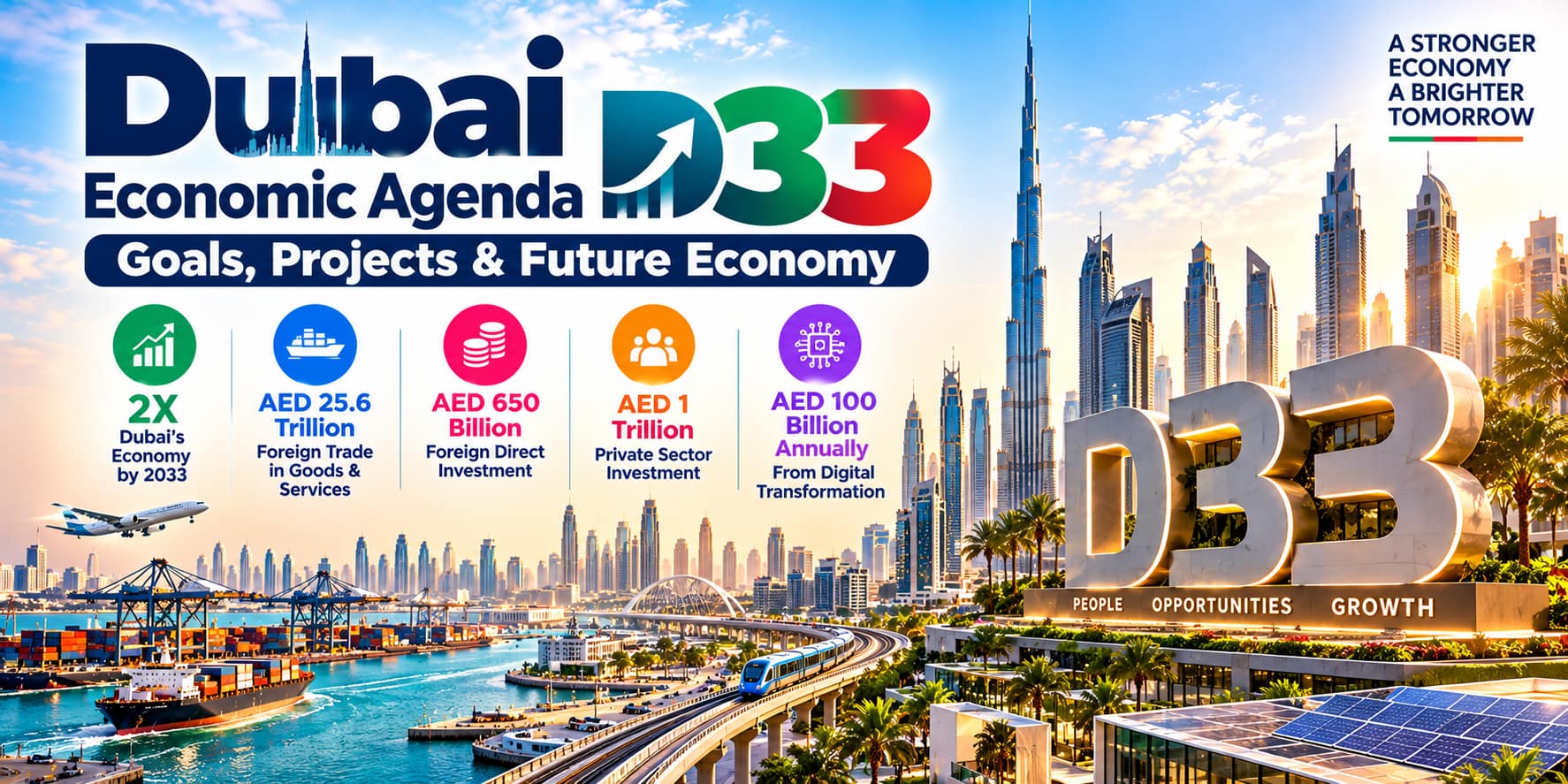
Dubai Economic Agenda D33: Goals, Projects & Future Economy
Its resources and initiatives cover several areas:
- Founder connections: Opportunities to connect with entrepreneurs, investors, corporate representatives and other ecosystem participants.
- Mentorship and growth programmes: Access to specialised programmes designed to support startups at different stages.
- Learning resources: Business education, practical materials and guidance for founders.
- Funding information: Resources to help entrepreneurs understand potential funding routes and identify relevant opportunities.
- Ecosystem discovery: Tools for exploring startup organisations, support providers and connections within Dubai.
Dubai Founders HQ also works with ecosystem partners to connect entrepreneurs with specialised services. The availability of individual programmes, membership benefits and application opportunities may vary, so founders should check the latest information before applying.
Dubai Ecosystem Navigator: Finding the Right Startup Resources
One challenge for entrepreneurs entering a new market is knowing which organisations are relevant to their business. A long list of incubators and investors is not particularly useful if founders cannot determine which ones match their sector or development stage.
The Dubai Ecosystem Navigator, available through Dubai Founders HQ, is designed to help users explore Dubai’s innovation network through ecosystem information and data.
Entrepreneurs can use this type of resource to investigate relevant organisations, identify potential connections and develop a more focused approach to finding support.
For example, a technology startup seeking corporate customers may need different contacts from a fintech company looking for sector-specific guidance. A founder developing an early-stage concept may benefit from an incubator, while a startup with a working product may be more interested in accelerators, pilot projects or investor introductions.
The practical value lies in narrowing the search before spending time on applications and meetings.
Dubai Professional Services & Knowledge Economy: Key Sectors, Expertise & Economic Growth
Dubai Startup Incubators: Support for Early-Stage Founders
Startup incubators help early-stage ventures develop their ideas and prepare for commercial activity. Depending on the organisation, support may include mentoring, workspace, business guidance, specialist resources and introductions to relevant networks.
Dubai’s incubator landscape includes general entrepreneurship support and programmes associated with particular sectors or founder groups.
Hamdan Innovation Incubator (Hi2)
Hamdan Innovation Incubator, commonly known as Hi2, is part of Dubai’s entrepreneurship-support landscape and is associated with Dubai SME.
The incubator focuses on supporting Emirati entrepreneurs through structured guidance, resources and connections that can help move innovative projects towards implementation.
Hi2 was integrated into Dubai Founders HQ in 2026, connecting its support environment with the wider founder network.
Who should explore it? Emirati founders looking for structured incubation support should review the programme’s current eligibility criteria and application details. Hi2 is specifically focused on Emirati entrepreneurs, so international founders should not assume that they qualify.
Other Certified Incubators in Dubai
Dubai also has a broader network of certified incubators serving different business needs. Their services, sector focus and eligibility conditions are not identical.
Some may be relevant to technology ventures, while others may provide practical business support or connections to specialised professional communities.
Founders should compare the services offered, the experience of mentors, the programme’s costs and any participation requirements. An incubator’s value depends on whether it provides support that the startup genuinely needs.
Dubai Startup Accelerators: Connecting Innovation with Growth
Accelerators generally support selected startups through structured programmes designed to help them develop faster, improve commercial readiness or establish connections with potential customers and investors.
Unlike a general business directory, an accelerator usually has a defined focus, selection process or programme structure. Some work across multiple industries, while others specialise in particular technologies or commercial problems.
Dubai Founders HQ and Plug and Play
Dubai Founders HQ has announced partnerships with international ecosystem builders, including Plug and Play, to support specialised acceleration and mentorship programmes.
These partnerships are intended to connect startups with experienced programme teams, corporate innovation leaders and relevant industry networks.
For founders, the potential benefit is access to expertise and relationships that may be difficult to build independently. However, the precise support available depends on the individual programme, its participating partners and its selection criteria.
Entrepreneurs should check which programmes are currently open and whether their business fits the stated objectives.
Dubai Founders HQ and Antler
In February 2026, Dubai Founders HQ announced a multi-year partnership with Antler, a global early-stage venture capital firm.
The partnership includes plans for a founder residency programme, founder academies and structured access to capital. It is intended to help develop a pipeline of new startups from Dubai.
This is particularly relevant to entrepreneurs interested in venture-building support and the development of early-stage companies.
Founders considering such a programme should review its current format, eligibility, participation commitments and investment terms. Any potential investment should be assessed separately from the educational or networking benefits.
DIFC Innovation Hub: A Specialised Technology and Fintech Network
DIFC Innovation Hub is an important part of Dubai’s specialised innovation landscape. Located within the Dubai International Financial Centre, it connects startups, technology firms, investors, established businesses and other participants in the financial innovation sector.
Its ecosystem has a particular relevance to financial technology and related areas, including insurance technology, regulatory technology and Islamic fintech. Its wider innovation environment also includes programmes associated with artificial intelligence and other emerging technologies.
Depending on the programme, startups may find opportunities involving:
- Sector-specific accelerator programmes.
- Connections with financial institutions and established companies.
- Innovation and technology communities.
- Mentorship and professional networking.
- Workspace and relevant licensing information.
- Opportunities to explore commercial partnerships and pilot projects.
DIFC Innovation Hub is not interchangeable with a general-purpose incubator. A startup developing a financial product or a technology solution for financial institutions may find its sector connections particularly relevant.
However, startups working in unrelated sectors should compare other ecosystem options before committing to a specialised programme.
Dubai AI Campus and Technology-Focused Innovation
Artificial intelligence has become an important area of Dubai’s innovation infrastructure. Dubai AI Campus, associated with the DIFC innovation environment, provides a dedicated setting for AI and technology companies to connect, develop expertise and explore commercial opportunities.
For founders working on AI products, the value of a specialised ecosystem can extend beyond workspace. Connections with technology businesses, investors, potential enterprise customers and other innovators may help startups understand commercial requirements and identify collaboration opportunities.
A founder developing enterprise AI software, for example, may need access to potential business customers and implementation partners. A startup building infrastructure or specialist AI tools may have different technical and commercial requirements.
Entrepreneurs should investigate whether a particular campus initiative or programme offers relevant support rather than assuming that every technology company automatically qualifies for every benefit.
in5: Innovation Support Across Technology, Media and Design
in5 is another established name in Dubai’s innovation ecosystem. It supports entrepreneurs across areas including technology, media, design and science through its specialised innovation centres.
Its sector-based approach can be useful for founders who want to develop a product within a relevant professional community.
A media startup may benefit from connections with creative professionals, while a technology venture may prioritise technical expertise, product development and industry contacts. Design-led businesses may have different needs related to product development and creative collaboration.
Before applying, founders should check the current services, selection criteria and terms of the relevant in5 programme.
The important distinction is that different innovation centres can serve different business communities. Choosing a programme based on sector relevance may be more useful than choosing one simply because it is well known.
Dubai SME Learning Hub: Practical Resources for Entrepreneurs
Not every founder needs an accelerator or an incubator. Some entrepreneurs first need reliable information, structured learning and practical tools to make better business decisions.
The Dubai SME Learning Hub, powered by Dubai Founders HQ, provides online courses and resources for entrepreneurs and small business owners.
Its learning areas include validating a business idea, understanding funding, managing operations, developing a business and preparing for growth.
Resources may include courses, guides, templates, articles, podcasts, checklists and other practical materials.
For international entrepreneurs, the learning hub can be a useful starting point for understanding aspects of the Dubai business environment before approaching support providers or making financial commitments.
Founders should distinguish between educational resources and professional advice. A learning resource can improve understanding, but it does not replace the need to verify applicable legal, financial or regulatory requirements for a specific business.
Startup Funding Connections Within Dubai’s Ecosystem
Funding is an important part of the startup ecosystem, but founders should distinguish between an organisation that provides investment and one that simply helps entrepreneurs learn about funding.
Dubai Founders HQ provides access to information about funding options and potential funding partners. Other ecosystem participants may offer investment, financing, accelerator-linked capital or introductions to relevant investors.
DIFC’s innovation environment also connects technology companies with financial institutions, venture capital participants and other investment-related organisations.
These roles should not be confused. Joining a hub, attending a networking event or completing an accelerator programme does not guarantee investment.
Founders should establish what a programme actually offers before applying. Important questions include whether funding is available directly, whether an investor introduction is possible, whether a separate application is required and whether any investment involves equity or other contractual obligations.
For international founders, eligibility and investment terms should be checked carefully. Funding opportunities may be limited to particular industries, stages, locations or types of businesses.
Corporate Partnerships and Startup Pilot Opportunities
One of the most valuable parts of an established startup ecosystem is the relationship between emerging businesses and larger organisations.
Corporations may work with startups to test new technologies, address operational problems or explore products that complement their existing services.
Within a specialised innovation hub, these relationships can sometimes create opportunities for pilot projects, product testing or commercial partnerships.
A startup developing property technology, for example, may benefit from working with property-sector stakeholders to test its solution in a real business environment. A financial technology company may need to understand the technical, commercial and compliance requirements of potential financial-sector partners.
Founders should look for programmes that clearly explain how corporate engagement works. A networking opportunity is not the same as a confirmed customer, a paid pilot or a long-term commercial contract.
The strongest partnerships are built around a defined business problem, realistic expectations and measurable outcomes.
Dubai Startup Networking Events and Founder Communities
Networking is another important part of Dubai’s entrepreneurship ecosystem. Events, workshops, founder communities, investor sessions and industry gatherings can help entrepreneurs identify relevant contacts and learn from people working on similar challenges.
Dubai Founders HQ provides a central community environment, while specialised innovation hubs organise activities related to their respective sectors.
For founders, the best event is not necessarily the largest one. Its value depends on whether the participants include potential customers, relevant mentors, experienced founders, investors or strategic partners.
Entrepreneurs should approach networking with a clear objective. That could mean finding a potential pilot customer, understanding a sector’s requirements, learning about an accelerator or identifying a suitable mentor.
Following up with a concise introduction and a specific business question can turn an initial meeting into a more useful professional relationship.
Event calendars and programme schedules change, so founders should verify dates, registration conditions and participant requirements before planning attendance.
How International Founders Can Navigate Dubai’s Startup Ecosystem
International entrepreneurs often need to understand both the startup-support landscape and the requirements of entering a new market.
The following approach can make the process more efficient.
First, identify the type of support needed. Decide whether the immediate priority is incubation, specialist mentorship, sector connections, customer access, learning resources or funding information.
Second, shortlist relevant organisations. Explore Dubai Founders HQ and the ecosystem resources it provides. Then investigate specialised hubs such as DIFC Innovation Hub or in5 when their sector focus matches the venture.
Third, check eligibility before applying. Some initiatives are open to a broad range of founders, while others are designed for specific nationalities, industries, business stages or participating companies.
Fourth, assess the practical value. Compare the programme’s services, costs, participation requirements, duration and expected outcomes. Do not assume that every programme provides direct funding or guaranteed access to customers.
Fifth, verify the latest information. Startup programmes can change their application windows, partners, selection criteria and available benefits. Check the current programme details before making financial or relocation decisions.
Finally, keep ecosystem support separate from business setup requirements. Incubation, mentorship and networking do not automatically satisfy licensing, immigration, tax or sector-specific compliance obligations. These matters should be verified independently for the proposed business activity.
What Makes Dubai’s Startup Ecosystem Different from a Business Setup Service?
A business setup service primarily helps an entrepreneur understand the process of establishing a company. A startup ecosystem has a broader role.
It connects founders with organisations and people who may help them develop products, understand markets, improve their capabilities, find commercial partners and explore investment opportunities.
Dubai Founders HQ serves as a central point for discovering these resources. Specialised innovation hubs provide more focused communities, while incubators and accelerators support founders through different development stages.
These services are complementary rather than interchangeable. A founder may need a setup adviser for one requirement, an incubator for early-stage guidance and a sector-specific programme for customer access at a later stage.
Understanding these differences helps entrepreneurs select support based on their actual needs instead of treating every organisation as a general-purpose startup provider.
Conclusion
Dubai Entrepreneurship & Startup Ecosystem includes a growing network of founder-support platforms, incubators, accelerators, innovation hubs, learning resources and business communities.
Dubai Founders HQ provides a central route into this network, while organisations such as DIFC Innovation Hub and in5 offer specialised environments for particular sectors. Initiatives such as the Antler partnership and the integration of Hamdan Innovation Incubator into the wider founder platform demonstrate how different forms of support can connect within the ecosystem.
For founders, the most useful next step is to identify the specific support they need, compare the organisations that provide it and verify current eligibility before applying.
Understanding Dubai’s startup ecosystem is not about joining every available programme. It is about finding the right connections, resources and opportunities at the right stage of a business’s development.





Foreign Investment In Dubai: FDI, Investors & Global Companies
[…] Dubai Entrepreneurship & Startup Ecosystem: Key Hubs, Accelerators & Founder Support […]