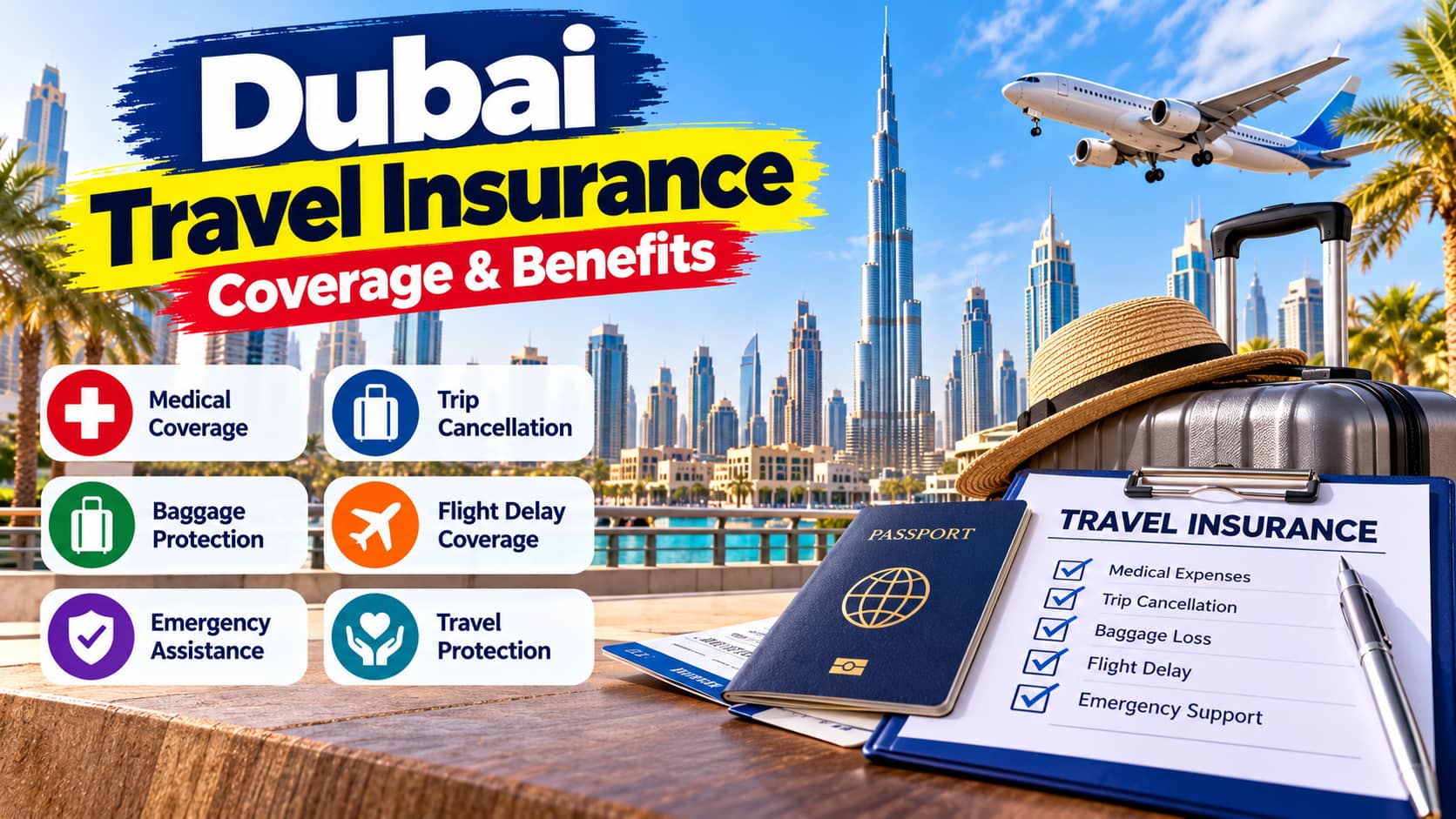
Dubai Travel Insurance is an important consideration when planning a trip to the UAE, whether you are visiting for tourism, business, shopping or a family holiday. Although Dubai offers modern hospitals and advanced medical facilities, unexpected medical treatment, trip cancellations, flight delays or lost baggage can lead to significant expenses for international travellers.
Travel insurance can help protect visitors from certain unexpected costs during their trip, depending on the policy they choose. Understanding travel insurance coverage, benefits, exclusions and claim conditions before travelling can help you select suitable protection for your Dubai visit.
Why Travel Insurance Is Important for Dubai
Dubai is a popular international destination, attracting tourists for its landmarks, beaches, shopping malls, luxury hotels and business opportunities. However, unexpected situations can affect any trip, even when travel arrangements are carefully planned.
Medical treatment in Dubai can be expensive for visitors who do not have suitable insurance. An accident, sudden illness or emergency hospital admission may result in substantial bills. The Consulate General of India in Dubai has advised Indian travellers visiting the UAE to obtain adequate medical insurance to cover unexpected medical expenses.
Travel insurance may also provide financial protection if a covered event disrupts your travel plans, causes baggage problems or requires emergency assistance.
Key reasons to consider travel insurance for Dubai include:
- Financial protection against eligible emergency medical expenses
- Assistance during unexpected hospitalisation
- Cover for eligible trip cancellations or interruptions
- Protection against specified baggage loss, damage or delay
- Support during covered flight delays or missed connections
- Emergency medical evacuation and repatriation, where included
The benefits available depend on the insurer, policy type, coverage limits and exclusions.
Dubai Travel Budget: Accommodation, Transport & Daily Costs
Dubai Public Transport Guide: Metro, Nol Card, Taxis & Fares
Dubai Hotel Booking Guide: Choosing the Right Accommodation
Is Travel Insurance Mandatory for Dubai?
Travel insurance requirements can depend on the traveller’s nationality, visa category, entry conditions and the rules in force at the time of travel. Visitors should not assume that the requirements are identical for every UAE tourist visa.
Before travelling, check the latest insurance conditions with the relevant UAE immigration authority, airline or authorised visa service provider. Even where travel insurance is not a mandatory condition for a particular visitor, having adequate medical coverage is strongly recommended.
Travellers should also confirm whether their existing health insurance provides any international coverage. Many domestic health policies offer limited or no protection outside the country where they were issued.
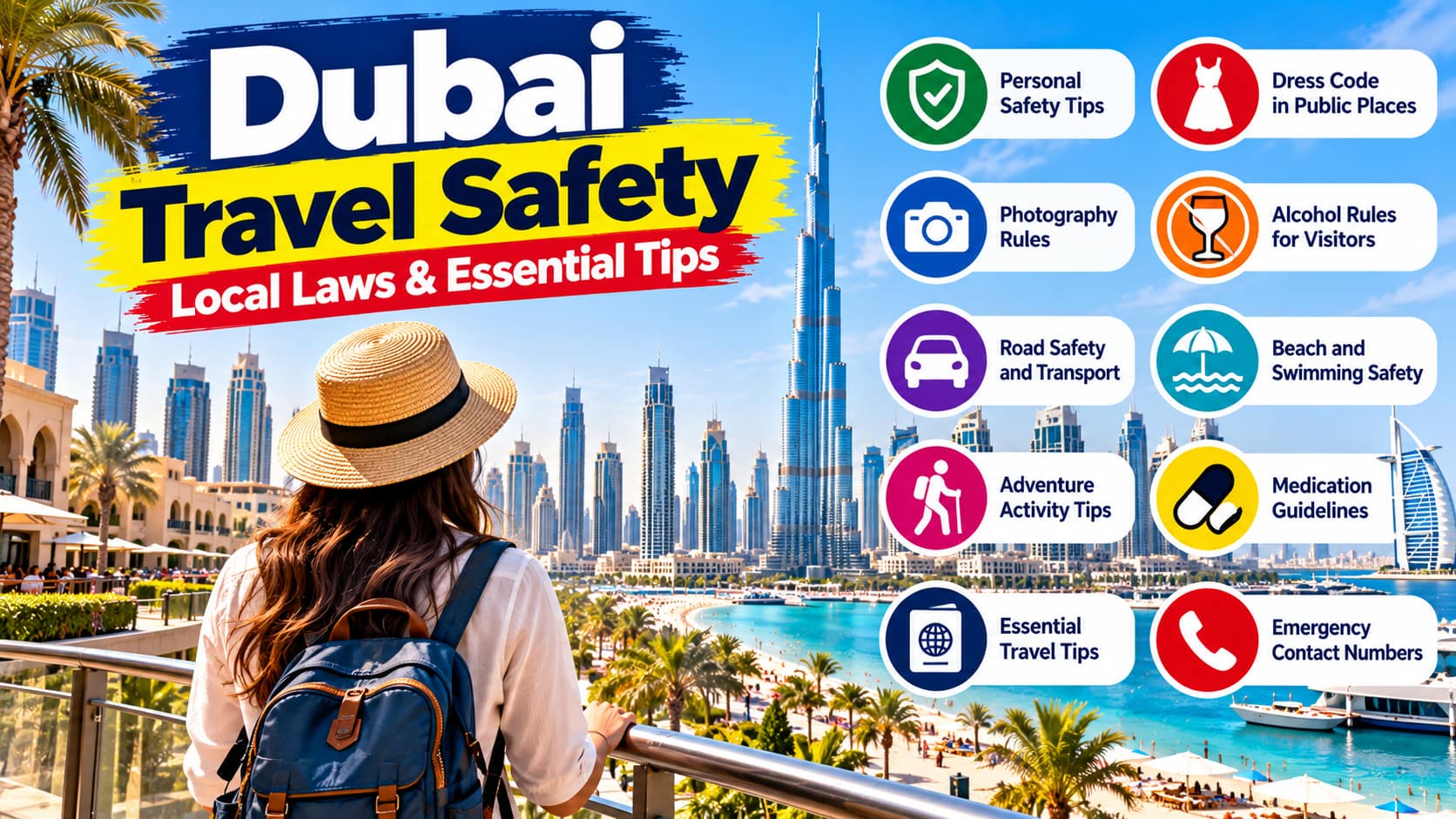
Dubai Travel Safety, Local Laws and Essential Tips
Dubai Airport to Downtown Dubai: Transport Guide
Dubai to Abu Dhabi & Sharjah: Transport Guide
What Does Dubai Travel Insurance Cover?
Dubai travel insurance policies may offer different types of protection for unexpected events before and during a trip. Some plans focus mainly on emergency medical expenses, while comprehensive plans may include additional travel-related benefits.
Emergency Medical Expenses
Emergency medical coverage is one of the most important benefits to consider when purchasing travel insurance for Dubai. It may cover eligible medical expenses arising from a sudden illness or accidental injury during the insured trip.
Depending on the policy, coverage may include:
- Emergency doctor consultations
- Hospital admission and treatment
- Emergency surgery
- Prescribed medicines related to a covered emergency
- Ambulance services, where covered
- Eligible emergency diagnostic tests
- Emergency dental treatment, subject to policy limits
Medical coverage is subject to the insurer’s terms, exclusions, deductibles and maximum benefit limits. Routine health check-ups, elective treatments and non-emergency procedures are generally not covered under standard travel insurance.
Emergency Medical Evacuation and Repatriation
If a traveller experiences a serious medical emergency, suitable treatment or specialised care may require a transfer to another medical facility or, in certain situations, a return to their home country.
Some travel insurance policies include emergency medical evacuation and repatriation benefits. These may cover eligible transportation and medical assistance when a transfer is medically necessary and approved under the policy.
Coverage may also include repatriation of remains in the event of death during the insured trip. The conditions, limits and arrangements vary between insurers.
Travellers should check whether the insurer’s emergency assistance team must approve evacuation arrangements before expenses are incurred.
Trip Cancellation Coverage
Unexpected circumstances may force travellers to cancel their Dubai trip before departure. Certain travel insurance policies provide trip cancellation coverage for specific reasons listed in the policy.
Depending on the plan, eligible reasons may include:
- Serious illness or accidental injury
- Death of an insured traveller or an eligible close family member
- Certain unexpected emergencies affecting the traveller
- Other specified events accepted under the policy
Trip cancellation benefits may reimburse eligible non-refundable travel expenses, such as prepaid flights or hotel reservations, up to the applicable limit.
Cancellation due to a change of mind, personal preference or circumstances not listed in the policy is generally excluded. Travellers should carefully review the covered reasons and purchase requirements before relying on this benefit.
Trip Interruption Coverage
Trip interruption coverage may help with eligible additional expenses if a traveller has to cut short a Dubai visit because of a covered event.
Depending on the policy, this may include certain unused prepaid travel arrangements or additional transportation costs required to return home earlier than planned.
The insurer will assess the reason for interruption and the expenses claimed according to the policy conditions. Travellers should retain booking confirmations, receipts and supporting documents.
Flight Delay and Missed Connection Coverage
Flight delays, cancellations and missed connections can cause unexpected expenses during international travel. Some travel insurance plans provide benefits when a delay or missed connection meets the policy’s specified conditions.
Depending on the coverage, eligible expenses may include reasonable additional accommodation, meals or alternative transportation. Some plans provide a fixed benefit after a defined delay period instead of reimbursing actual expenses.
Not every delay qualifies for a claim. The policy may specify a minimum waiting period, documentation requirements and exclusions related to the cause of the disruption.
Baggage Loss, Damage and Delay
Baggage coverage may help travellers manage certain financial losses if their luggage is lost, damaged or delayed during an insured journey.
Depending on the plan, benefits may include:
- Loss of checked-in baggage
- Accidental damage to eligible luggage
- Theft of covered personal belongings
- Essential purchases when checked-in baggage is delayed
- Replacement of certain travel necessities, subject to limits
Policies often apply per-item limits, depreciation and exclusions for particular valuables. Cash, jewellery, electronic devices and important documents may have restricted coverage or may require additional protection.
Travellers should report baggage problems to the airline or relevant transport provider and obtain written documentation to support an insurance claim.
Passport and Travel Document Assistance
Losing a passport or important travel document while abroad can create inconvenience and additional expenses. Some travel insurance policies provide limited assistance or reimbursement for eligible expenses related to replacing lost travel documents.
Coverage may include certain administrative expenses or costs associated with obtaining emergency travel documentation, depending on the policy.
Travellers should report lost or stolen documents to the relevant authorities and contact their embassy or consulate for guidance. Insurance coverage does not replace official passport or immigration procedures.
Personal Liability Coverage
Some comprehensive travel insurance policies include personal liability protection. This may cover eligible legal liability if a traveller accidentally causes bodily injury to another person or damages someone else’s property during the insured trip.
Personal liability benefits have specific exclusions and limits. They generally do not cover intentional acts, contractual liabilities or incidents arising from certain prohibited activities.
Travellers should check the policy wording to understand the situations in which liability protection applies.
Dubai Travel Insurance Coverage: What to Compare
Travel insurance plans differ in the benefits they offer and the maximum amount they pay for each type of claim. Comparing the coverage limits is important because a policy with a low premium may provide limited protection.
| Coverage | What to check |
|---|---|
| Emergency medical expenses | Overall limit, treatment conditions and deductible |
| Hospitalisation | Eligible hospital expenses and approval requirements |
| Medical evacuation | Emergency transfer conditions and maximum benefit |
| Repatriation | Covered transport arrangements and limits |
| Trip cancellation | Covered reasons and maximum reimbursement |
| Trip interruption | Eligible additional and unused travel expenses |
| Flight delay | Minimum delay period and benefit amount |
| Baggage loss | Overall limit and per-item restrictions |
| Baggage delay | Waiting period and essential-purchase limits |
| Personal liability | Maximum benefit and exclusions |
| Emergency assistance | Availability and contact arrangements |
Choose coverage based on the risks associated with your trip, the duration of your stay, your travel activities and the value of your prepaid bookings.
What Is Not Covered by Dubai Travel Insurance?
Travel insurance does not cover every possible event or expense. Exclusions differ between insurers, so travellers should read the policy wording before purchasing a plan.
Common exclusions or restricted situations may include:
- Pre-existing medical conditions that are not covered or have not been accepted by the insurer
- Routine medical check-ups and elective treatments
- Travel undertaken against medical advice
- Accidents arising from activities excluded by the policy
- Adventure sports without the required coverage or add-on
- Injuries or incidents involving alcohol or prohibited substances, where excluded
- Intentional or illegal activities
- Losses arising from circumstances not listed as covered events
- Claims without the required evidence or documentation
Some policies provide optional coverage for pre-existing conditions or selected adventure activities. These benefits are not automatic and may require additional payment or insurer approval.
Travel Insurance for Desert Safari and Adventure Activities
Dubai offers activities such as desert safaris, dune bashing, quad biking, jet skiing, parasailing, skydiving and other adventure experiences. However, standard travel insurance may exclude certain high-risk activities or cover them only under specific conditions.
Before booking an adventure activity, check whether your policy explicitly covers it. The insurer may specify requirements relating to licensed operators, safety equipment, supervision and the type of activity.
Do not assume that emergency medical coverage automatically includes injuries arising from every recreational activity. If you plan to participate in adventure sports, consider a suitable add-on or policy that clearly covers those activities.
How Much Travel Insurance Do You Need for Dubai?
The appropriate level of travel insurance depends on your personal circumstances, trip duration, planned activities and financial ability to manage unexpected expenses.
When comparing plans, pay particular attention to the emergency medical limit and whether medical evacuation is included. A higher overall limit may be useful for travellers who want broader protection, but the detailed sub-limits and exclusions are equally important.
Consider the following before choosing a policy:
- The length of your stay in Dubai
- The number and ages of travellers
- Any existing medical conditions and their eligibility for coverage
- The activities planned during your visit
- The value of prepaid flights, hotels and other bookings
- Whether you need baggage, cancellation and interruption benefits
- The availability of 24-hour emergency assistance
Families, senior travellers and visitors planning longer stays may have different coverage needs from those taking a short city break.
How to Choose the Best Travel Insurance for Dubai
The best travel insurance for Dubai is not necessarily the cheapest policy. A suitable plan should offer relevant benefits, clear terms and practical assistance when an unexpected situation occurs.
Compare Medical Coverage
Review the emergency medical limit, eligible treatments, hospitalisation conditions, deductible and exclusions. Check whether the insurer provides direct billing at network hospitals or requires travellers to pay first and claim reimbursement later.
Check the Emergency Assistance Service
A 24-hour emergency assistance service can be valuable when a traveller needs medical guidance or help arranging treatment. Confirm how to contact the insurer from Dubai and whether assistance is available throughout your trip.
Review the Policy Exclusions
Read the policy wording carefully, particularly the exclusions for pre-existing conditions, adventure activities, alcohol-related incidents and events that may affect your itinerary.
Compare Cancellation and Baggage Benefits
If your trip includes expensive non-refundable bookings or valuable belongings, compare the cancellation, interruption and baggage limits. Check whether individual item restrictions could reduce the amount payable.
Confirm the Policy Period
Make sure the policy covers the full duration of your trip, including the departure and return dates specified in the insurance contract. Some policies also have conditions concerning when coverage begins and when the policy must be purchased.
Check the Claim Process
Understand how to report an incident, which documents are required and whether the insurer must authorise treatment or expenses in advance. Save the emergency contact details and policy certificate so they are accessible during your visit.
How to Buy Travel Insurance for Dubai
Travellers can purchase travel insurance through authorised insurance companies, licensed intermediaries, travel agencies or eligible online platforms.
The general process includes:
- Select Dubai or the UAE as your travel destination.
- Enter your departure and return dates.
- Provide the required traveller details.
- Compare available policies and coverage limits.
- Review medical benefits, exclusions and optional add-ons.
- Read the policy wording and confirm the total premium.
- Complete the purchase through the insurer or authorised provider.
- Save the policy certificate, emergency contact details and claim instructions.
It is generally better to arrange travel insurance when you finalise your travel plans, rather than waiting until the day of departure. Some benefits, such as trip cancellation, may be subject to purchase timing requirements.
How to Make a Travel Insurance Claim in Dubai
If an unexpected event occurs during your trip, contact the insurer’s emergency assistance service as soon as possible. Follow the instructions provided and check whether approval is required before arranging treatment or paying for certain services.
For a medical emergency, seek appropriate medical care first. Where possible, contact the insurer or assistance team promptly to understand the available support and claim procedure.
Depending on the type of claim, you may need to provide:
- A copy of your insurance certificate
- Passport and travel details
- Medical reports, prescriptions and hospital bills
- Flight tickets and booking confirmations
- Airline documentation for baggage or flight disruptions
- Police reports for eligible theft claims
- Receipts and proof of payment
- Documents supporting the reason for cancellation or interruption
Keep copies of all relevant documents and submit the claim within the timeframe specified in your policy. The insurer will assess the claim based on the coverage terms, exclusions and evidence provided.
Dubai Travel Insurance for Families
Families travelling to Dubai should review the coverage available for each member of the group. A family policy may be available, but eligibility, age limits, medical coverage and benefit limits vary between insurers.
Parents should check whether children are covered for emergency treatment, hospitalisation, evacuation and eligible trip disruptions. Confirm whether each traveller is individually named on the policy and whether any benefits are shared across the family.
Families planning waterparks, desert safaris or other recreational activities should also check the relevant activity exclusions before purchasing insurance.
Dubai Travel Insurance for Senior Citizens
Senior travellers may need to pay particular attention to age limits, medical eligibility, pre-existing condition exclusions and emergency medical coverage.
Some policies have maximum entry ages, while others offer special plans for older travellers. Medical conditions may require disclosure, additional premiums or specific acceptance from the insurer.
Before purchasing, check the medical coverage limits, evacuation benefits, emergency assistance arrangements and any restrictions that apply to the traveller’s age or health circumstances.
Important Travel Insurance Tips Before Visiting Dubai
A few simple preparations can make it easier to use your travel insurance if you need it.
- Purchase a policy that matches your destination and travel dates.
- Review the complete policy wording, not just the benefit summary.
- Confirm that your planned activities are covered.
- Disclose relevant information accurately when applying.
- Save the policy certificate and emergency assistance number.
- Keep digital copies of your passport, bookings and insurance documents.
- Understand the claim reporting deadlines and approval requirements.
- Check whether your existing health insurance provides international coverage.
Travel insurance is designed to reduce eligible financial risks, but it does not replace careful travel planning or the need to follow local laws and safety instructions.
Conclusion
Dubai Travel Insurance can provide valuable financial protection against unexpected medical emergencies, trip disruptions, baggage problems and other covered events during a visit to the UAE. The type and level of protection depend on the policy, so travellers should compare coverage limits, exclusions, emergency assistance services and claim conditions before making a decision.
Whether you are travelling to Dubai for a short holiday, a family trip or a business visit, choosing suitable travel insurance can help you prepare for unforeseen situations and travel with greater confidence.