

Dubai Shopping Tourism is an important part of the city’s appeal as an international visitor destination. From world-famous shopping malls and luxury fashion boutiques to traditional souks and independent retail markets, Dubai offers shopping experiences that combine modern retail, cultural heritage and international brands.
For many visitors, shopping in Dubai is more than purchasing products. It can be an opportunity to explore the city’s architecture, discover traditional markets, experience seasonal shopping festivals and understand how Dubai has developed into a major global retail destination.
Why Is Dubai Famous for Shopping Tourism?
Dubai is known for its diverse shopping environment, which brings together luxury retail, international brands, traditional markets and contemporary shopping districts.
The city’s retail attractions appeal to different types of visitors, including luxury shoppers, families, bargain hunters, fashion enthusiasts and travellers interested in traditional products.
Key reasons why Dubai attracts shopping tourists include:
- Large shopping malls with international brands
- Luxury fashion and jewellery stores
- Traditional souks and heritage markets
- Gold, perfume, spice and textile shopping
- Shopping festivals and seasonal promotions
- Independent boutiques and local retail brands
- Shopping combined with dining and entertainment
- Products from different international markets
This variety makes shopping in Dubai an important part of the wider tourism experience.
Dubai Heritage Tourism: Historic Sites, Museums & Archaeological Discoveries
Dubai Food Tourism: Global Cuisines, Restaurants & Dining Experiences
Best Shopping Malls in Dubai for Tourists
Dubai’s shopping malls are among its best-known retail destinations. Many combine shopping with restaurants, leisure attractions, entertainment and distinctive architecture.
Dubai Mall
Dubai Mall is one of the city’s most recognisable shopping destinations, located in Downtown Dubai near Burj Khalifa.
Visitors can explore international fashion brands, luxury boutiques, electronics, beauty products, jewellery and a wide selection of dining outlets. The mall also offers major leisure attractions, making it possible to combine shopping with other activities during the same visit.
For first-time visitors, Dubai Mall provides an introduction to the scale and variety of modern retail in Dubai.
Dubai Luxury Tourism: Exclusive Experiences and Premium Travel
Dubai Family Tourism: Family Holidays, Attractions & Travel Planning
Mall of the Emirates
Mall of the Emirates is another major destination for Dubai mall shopping.
It combines international fashion, department stores, beauty products, restaurants and entertainment. Its indoor ski attraction also gives visitors an experience that differs from a conventional shopping centre.
The mall appeals to visitors who want to combine shopping with leisure activities under one roof.
Ibn Battuta Mall
Ibn Battuta Mall is known for its themed architectural design inspired by the travels of explorer Ibn Battuta.
Its different sections draw inspiration from regions including Persia, India, China, Egypt, Tunisia and Andalusia.
The themed interiors make the mall interesting for visitors who want a shopping destination that also offers visual and cultural experiences.
Dubai Marina Mall
Dubai Marina Mall offers a more compact shopping experience within the Dubai Marina district.
Visitors can explore retail stores, cafés and restaurants while enjoying the surrounding waterfront environment. Its location makes it convenient for tourists staying in or exploring Dubai Marina.
City Centre Deira
City Centre Deira is an established retail destination serving both residents and visitors.
Its mix of fashion, electronics, everyday products, restaurants and entertainment makes it useful for travellers looking for a practical shopping experience rather than only luxury retail.
Luxury Shopping in Dubai
Luxury shopping in Dubai attracts visitors interested in designer fashion, premium accessories, watches, jewellery and high-end retail experiences.
Luxury boutiques are found in major malls and selected shopping districts across the city.
Popular product categories include:
- Designer clothing
- Handbags and accessories
- Luxury watches
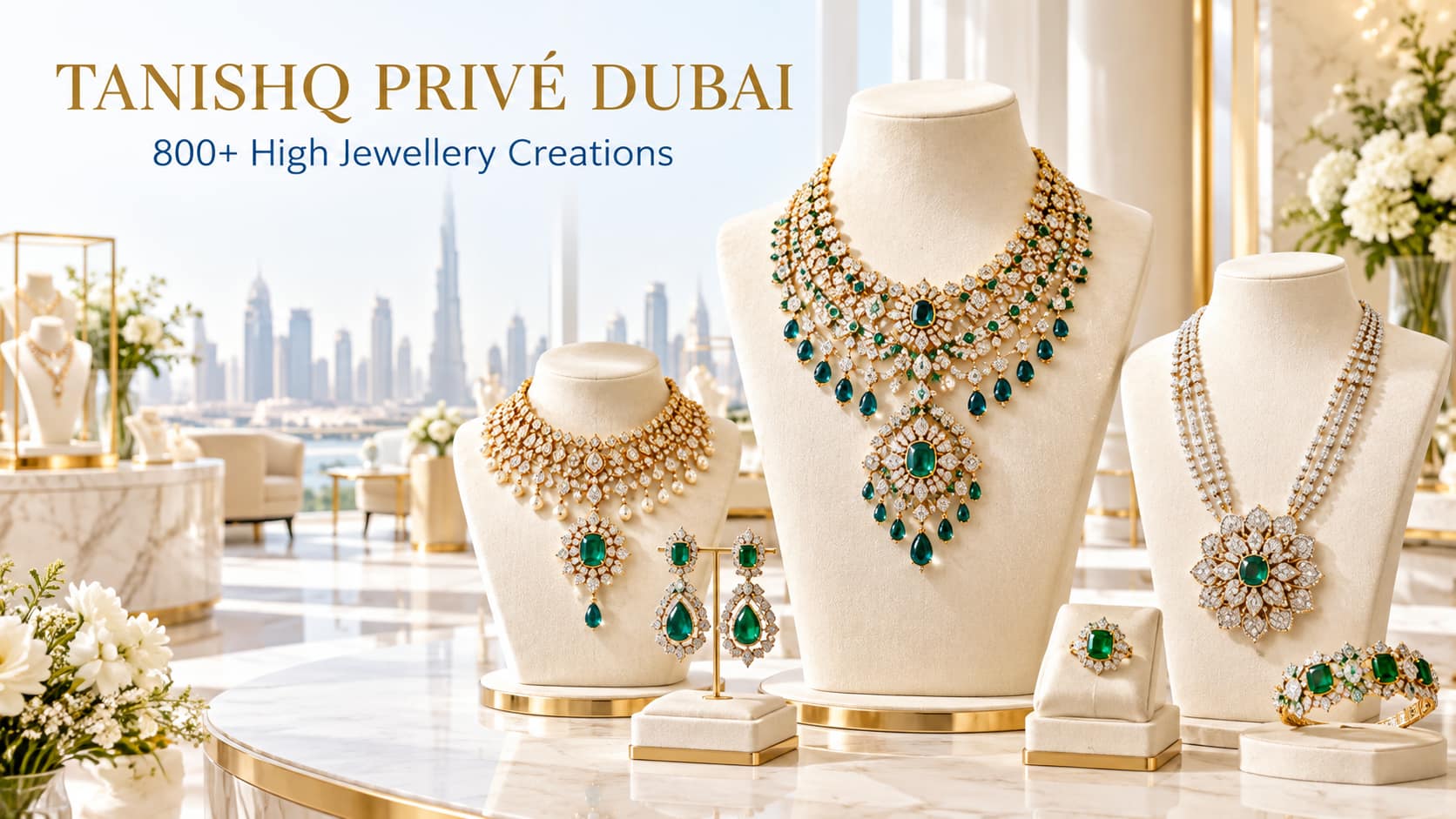
- Fine jewellery
- Cosmetics and fragrances
- Premium footwear
- Luxury gifts
Dubai’s international population and visitor market have helped create a retail environment where global luxury brands operate alongside regional designers and specialist boutiques.
However, premium shopping does not automatically mean every product is cheaper than in another country. Visitors should compare prices, local taxes, exchange rates, warranties and any applicable refund eligibility before purchasing expensive items.
Traditional Souks in Dubai
Traditional souks are an important part of Dubai shopping tourism because they connect visitors with the city’s historical trading culture.
Unlike large modern malls, souks often feature smaller shops, traditional merchandise, personal interactions and distinctive market settings.
Many of Dubai’s best-known souks are located in Deira and Bur Dubai, close to Dubai Creek and the older commercial districts.
Dubai Gold Souk
The Dubai Gold Souk in Deira is one of the city’s most famous traditional markets.
Its shops display gold jewellery in a variety of designs, along with diamond jewellery and other precious-metal products.
Visitors can browse traditional Arabian designs, contemporary jewellery and pieces influenced by different international styles.
Anyone buying gold should check the item’s purity, weight, making charges and final price before completing a purchase.
Dubai Spice Souk
The Spice Souk offers a different kind of shopping experience, with stalls selling spices, herbs, dried fruits, nuts and other ingredients.
The colourful displays and distinctive aromas make the market interesting even for visitors who are not planning to buy anything.
It is also a place to discover ingredients used in regional and international cooking.
Dubai Perfume Souk
Dubai’s traditional perfume markets are known for fragrances, perfume oils, incense and oud.
Visitors can explore different scent profiles, compare products and discover fragrance traditions associated with the wider Arabian region.
Some shops also offer personalised fragrance blends, depending on the seller.
Dubai Textile Souk
Located in the Bur Dubai area, the Textile Souk features fabrics, garments and materials in a variety of colours and designs.
Visitors can find cotton, silk, embroidered fabrics and textiles suitable for different types of clothing.
Nearby tailoring businesses can also make this area useful for people interested in customised garments.
Meena Bazaar
Meena Bazaar in Bur Dubai is known for South Asian fashion, textiles, jewellery, accessories and traditional garments.
The district reflects Dubai’s multicultural commercial environment, with businesses serving residents and visitors from different communities.
For tourists interested in fabrics, occasion wear and South Asian retail, it provides an alternative to the city’s large shopping malls.
Modern Souks and Arabian-Style Markets
Dubai also has modern marketplaces that combine traditional architectural themes with contemporary shopping, dining and leisure.
Souk Madinat Jumeirah
Souk Madinat Jumeirah offers an Arabian-inspired setting with boutique shops, souvenirs, artwork, fragrances and restaurants.
Its waterways and views of the surrounding resort area make it attractive to visitors who want a relaxed shopping experience alongside sightseeing.
Souk Al Bahar
Located near Dubai Mall and Burj Khalifa, Souk Al Bahar combines traditional design influences with modern retail and dining.
Visitors can browse gift shops, jewellery, fragrances and other merchandise while enjoying views of Downtown Dubai.
These modern souks show how Dubai combines traditional market concepts with contemporary tourism experiences.
What to Buy in Dubai
Tourists often look for products that reflect Dubai’s retail diversity and the wider region’s trading traditions.
Popular shopping categories include:
Gold and jewellery: Gold jewellery, precious stones and contemporary designs.
Perfumes and oud: Fragrances, concentrated perfume oils and incense.
Spices and dates: Regional ingredients, dried fruits and food gifts.
Fashion and accessories: International brands, designer clothing and local fashion.
Electronics: Consumer electronics and accessories, with prices worth comparing before buying.
Textiles: Fabrics, traditional garments and customised clothing.
Souvenirs: Decorative items, Arabic-inspired gifts, handicrafts and products associated with Dubai.
For travellers returning home, it is important to check airline baggage limits and the customs rules of their destination country, particularly for high-value goods, precious metals and restricted products.
Dubai Shopping Festivals and Retail Events
Shopping festivals are another important part of Dubai’s retail tourism calendar.
The Dubai Shopping Festival (DSF) is a well-known seasonal event featuring participating retailers, promotional offers, entertainment and special activities.
Dubai also organises other retail campaigns and seasonal events throughout the year. Their dates, participating outlets and offers can vary between editions.
These events can make shopping more engaging for tourists by combining retail promotions with entertainment and citywide activities.
Visitors planning a trip around a shopping festival should check the latest event dates and terms before travelling.
Is Shopping in Dubai Cheap?
Whether shopping in Dubai is cheap depends on the product, brand, retailer and time of purchase.
Some visitors find attractive offers during seasonal sales, while others visit primarily for the variety of international brands or specialist products.
Prices can differ between malls, traditional markets and independent shops.
Before purchasing, compare:
- The final price after taxes and charges
- Product specifications and authenticity
- Warranty and after-sales support
- Seasonal discounts
- Currency exchange rates
- Potential VAT refund eligibility
Traditional souks may offer more scope for price discussions on certain products, but bargaining is not appropriate or necessary in every shop.
For gold jewellery, the final cost may include the gold value and making charges, so comparing only the displayed price per gram can be misleading.
VAT Refunds for Tourists Shopping in Dubai
Eligible international visitors may be able to claim a VAT refund on qualifying purchases made through participating retailers under the UAE’s tourist refund scheme.
Eligibility rules, minimum purchase conditions, documentation and refund procedures apply. Not every purchase or visitor automatically qualifies.
Travellers should ask the retailer about tourist refund eligibility at the time of purchase, keep the required receipts and follow the official refund procedure before leaving the UAE.
It is sensible to confirm the current rules before relying on a refund when comparing prices.
Shopping Districts Beyond the Major Malls
Dubai’s retail experience extends beyond large shopping centres.
City Walk
City Walk combines open-air retail, restaurants, cafés and leisure spaces in a contemporary urban setting.
It is suitable for visitors interested in boutique shopping and a more walkable retail environment.
Al Seef
Al Seef combines heritage-inspired architecture with shops, restaurants and waterfront surroundings near Dubai Creek.
It offers a shopping experience connected with the city’s older trading identity.
Alserkal Avenue
Alserkal Avenue is better known for its creative and cultural community than conventional mass retail. Visitors can discover galleries, design-led businesses, creative spaces and selected independent retail experiences.
Gold and Diamond Park
Gold and Diamond Park focuses on jewellery businesses and offers another option for visitors interested in comparing jewellery products and designs.
These destinations demonstrate that Dubai retail tourism includes independent businesses and specialist shopping districts as well as large malls and traditional souks.
Shopping in Dubai for Families
Dubai’s malls are popular with families because many combine shopping with restaurants, indoor attractions and entertainment.
Families can plan a visit around shopping, meals and activities without needing to travel between multiple destinations.
Traditional markets can also be interesting for older children who want to explore spices, textiles, fragrances and the city’s historic trading districts.
The best option depends on the family’s interests, available time and preferred shopping style.
How to Plan a Dubai Shopping Trip
A little planning can help visitors make better use of their shopping time.
- Choose a shopping focus: Decide whether you are interested in luxury brands, traditional markets, electronics, fashion or souvenirs.
- Group nearby destinations: Combine Downtown Dubai with Dubai Mall and Souk Al Bahar, or explore the Gold Souk, Spice Souk and other historic markets around Deira.
- Allow enough time: Large malls can require several hours, while traditional markets are often best explored at a relaxed pace.
- Check transport: Use the Dubai Metro, taxis or other available transport options depending on your destination.
- Compare prices: Check product specifications, authenticity, warranty and final costs before buying.
- Check opening times: Hours can differ by venue, season, public holiday and special event.
- Understand customs limits: Confirm what you can legally bring back to your home country.
Planning around your interests can make shopping a more rewarding part of the trip rather than a rushed list of stops.
Dubai Shopping Tourism and the Retail Economy
Shopping tourism contributes to Dubai’s wider tourism and retail economy.
International visitors spend money on merchandise, dining, transport and other services while exploring the city’s shopping destinations. Retail activity also supports employment, local businesses, international brands, logistics providers and the hospitality sector.
The coexistence of modern malls, independent retailers, traditional souks and seasonal shopping events helps Dubai appeal to different visitor groups.
Its retail identity is therefore not defined only by luxury brands or large shopping centres. It also reflects the city’s history as a trading destination and its development into a connected international marketplace.
The Future of Shopping Tourism in Dubai
Dubai’s retail environment continues to evolve through digital commerce, experiential retail, independent brands and events that combine shopping with entertainment and culture.
Physical stores are increasingly competing through experiences as well as merchandise. Malls offer dining and leisure, while boutique districts and modern souks provide more specialised settings.
For international visitors, this creates more ways to explore Dubai through shopping, whether they prefer luxury retail, traditional markets, contemporary design or everyday products.
Dubai Shopping Tourism: Malls, Souks and Retail Experiences
Dubai Shopping Tourism brings together international brands, luxury boutiques, traditional souks, independent shopping districts and seasonal retail events.
Dubai Mall and Mall of the Emirates represent the city’s modern retail environment, while the Gold Souk, Spice Souk, Perfume Souk and Textile Souk offer a closer connection to its trading heritage.
For global visitors, the appeal lies in this combination of choice, culture and convenience. By selecting destinations that match their interests and comparing products carefully, travellers can make shopping an enjoyable and informative part of their Dubai experience.








Dubai Heritage Tourism: Historic Sites & Museums
[…] Dubai Shopping Tourism: Malls, Souks & Retail Experiences […]