
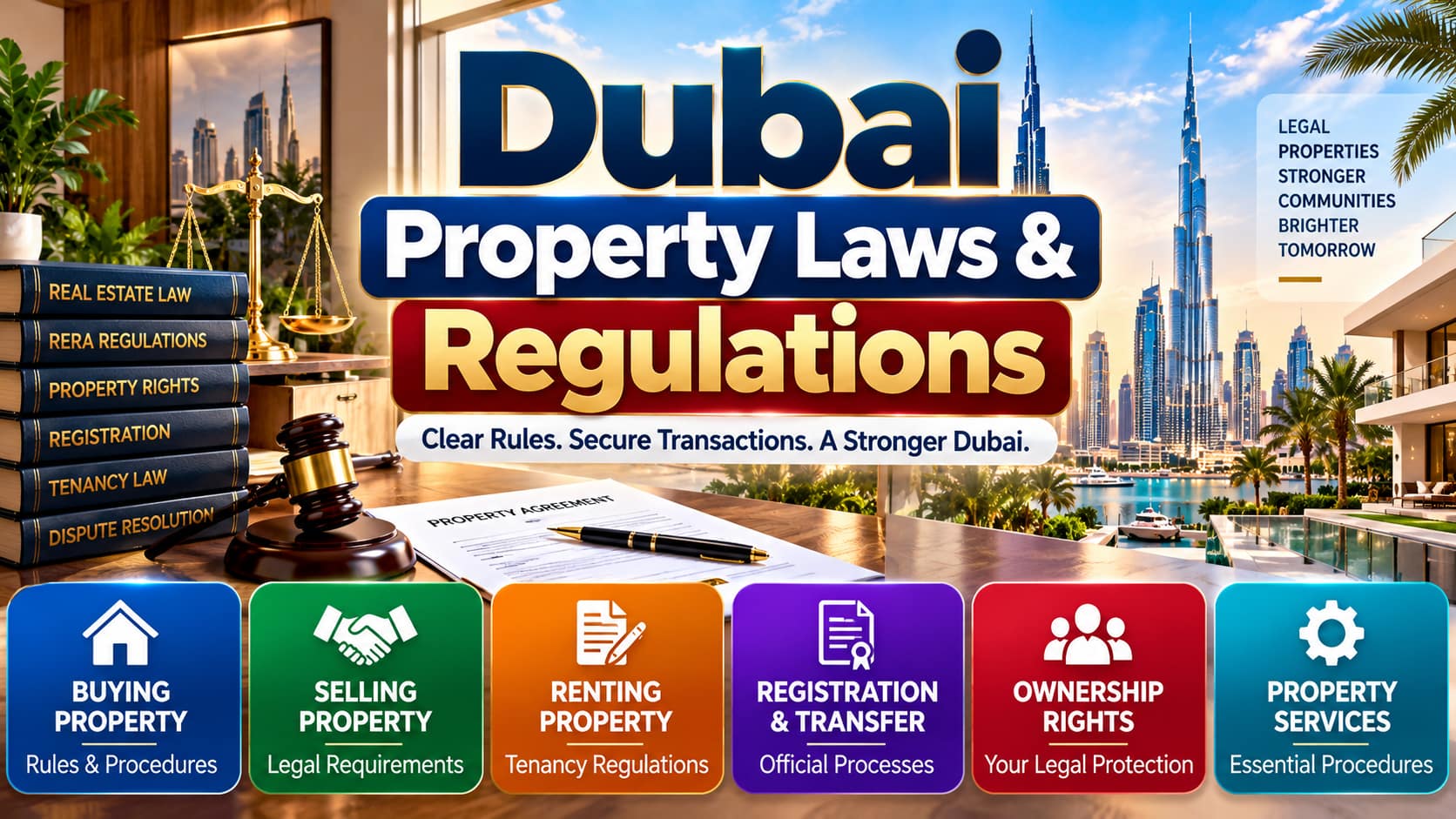
Dubai Property Laws & Regulations provide the legal and regulatory framework for property ownership, buying, selling, renting, registration and other real estate transactions in the emirate.
Why Property Laws Matter
Real estate transactions involve significant financial commitments and legal responsibilities. Property laws and regulations help define the rights and obligations of buyers, sellers, landlords, tenants, developers and other parties involved in a transaction.
They also establish procedures for property registration, ownership transfers, rental agreements, development and other real estate activities.
Dubai Living Communities: Best Areas to Live in Dubai
Understanding Dubai Property Regulations
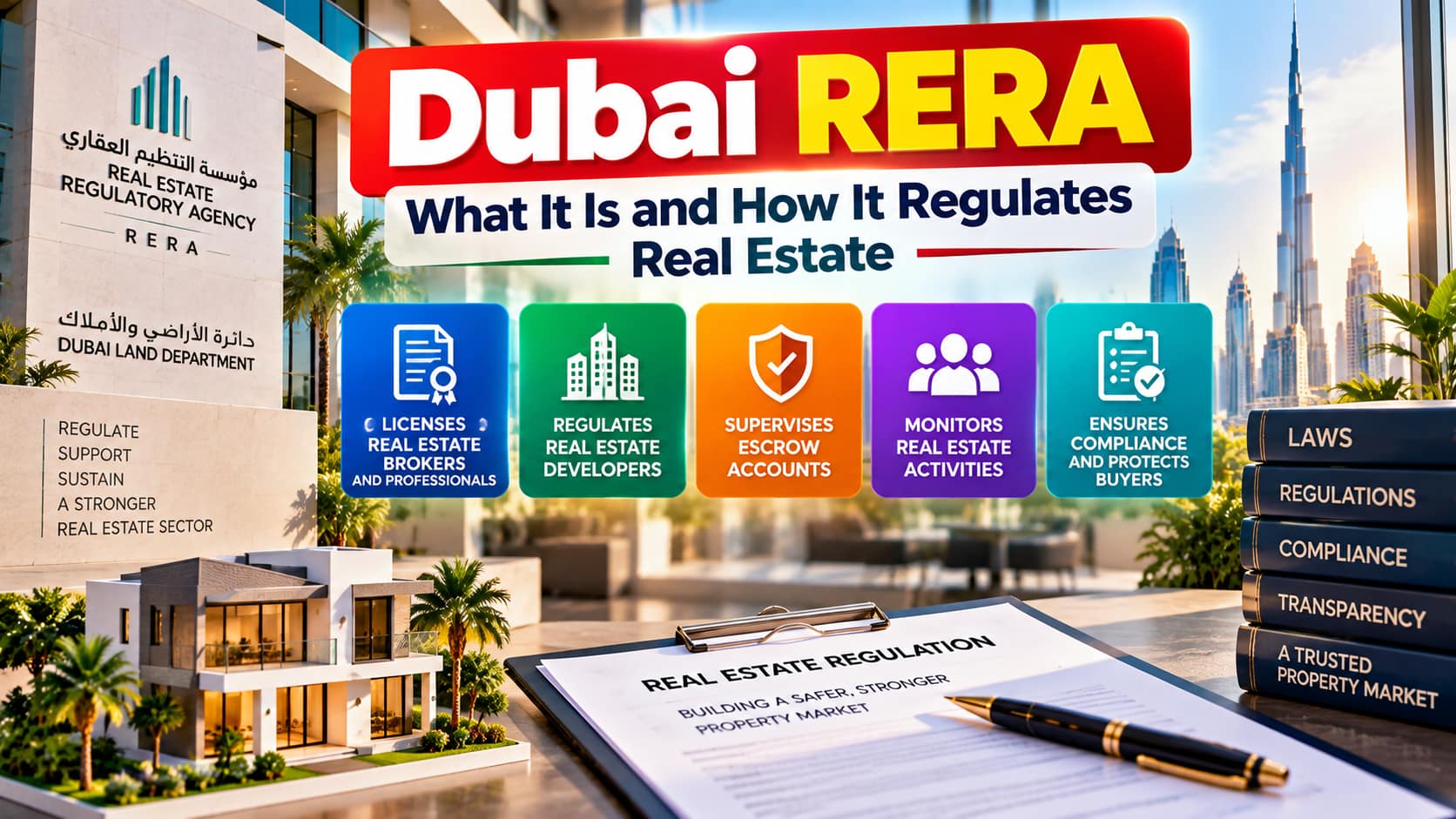
Dubai’s property sector is regulated through government authorities and dedicated regulatory frameworks. The Dubai Land Department (DLD) plays a central role in property registration, ownership records and several real estate services, while RERA regulates important areas of Dubai’s real estate sector.
These regulations can apply differently depending on the type of property, transaction and parties involved. Off-plan property, completed properties, rental arrangements and commercial real estate can each involve different requirements.
Property Ownership in Dubai: Freehold vs Leasehold Explained
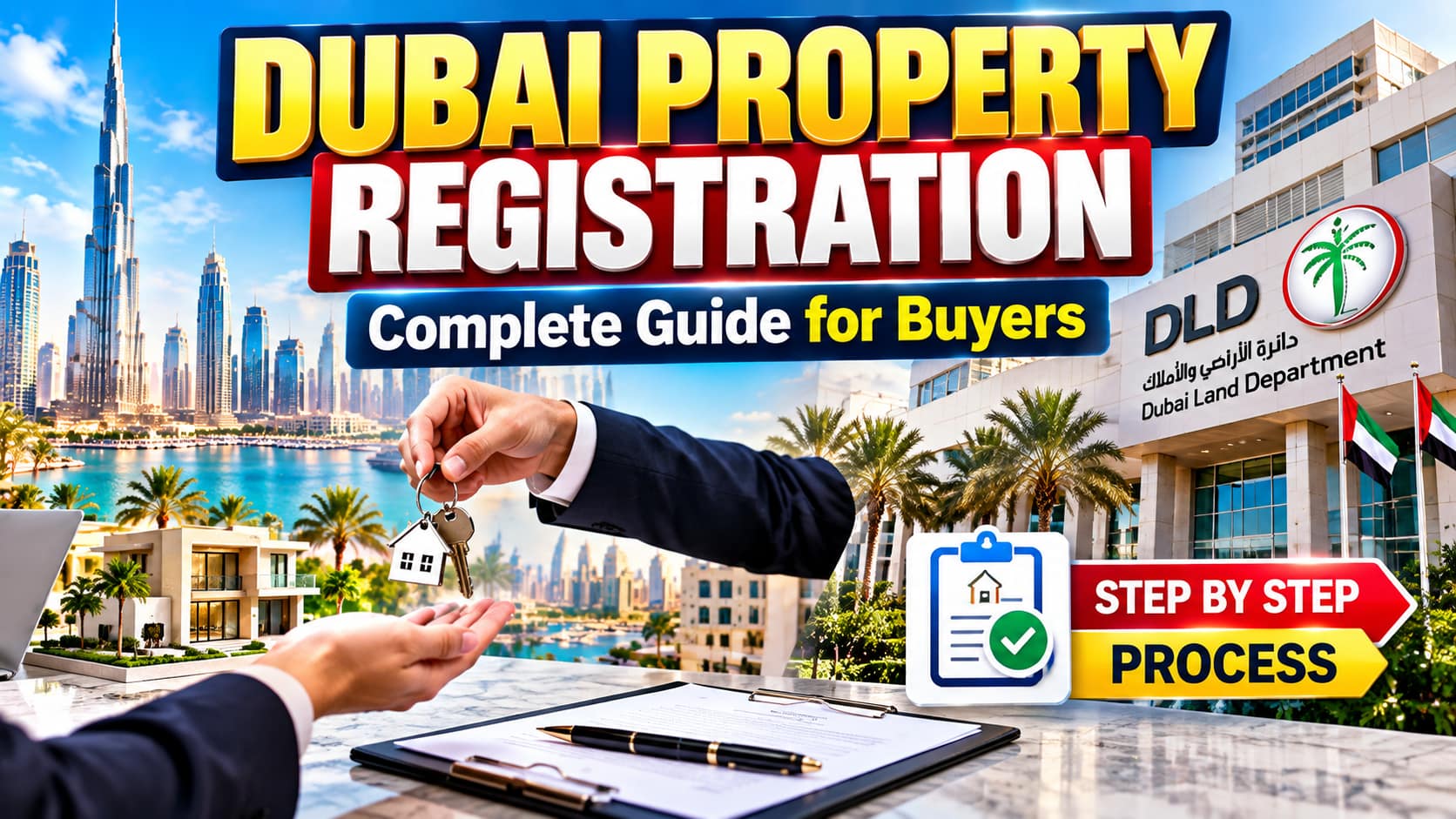
Property Registration and Ownership
Property registration is an important part of establishing and recording ownership.
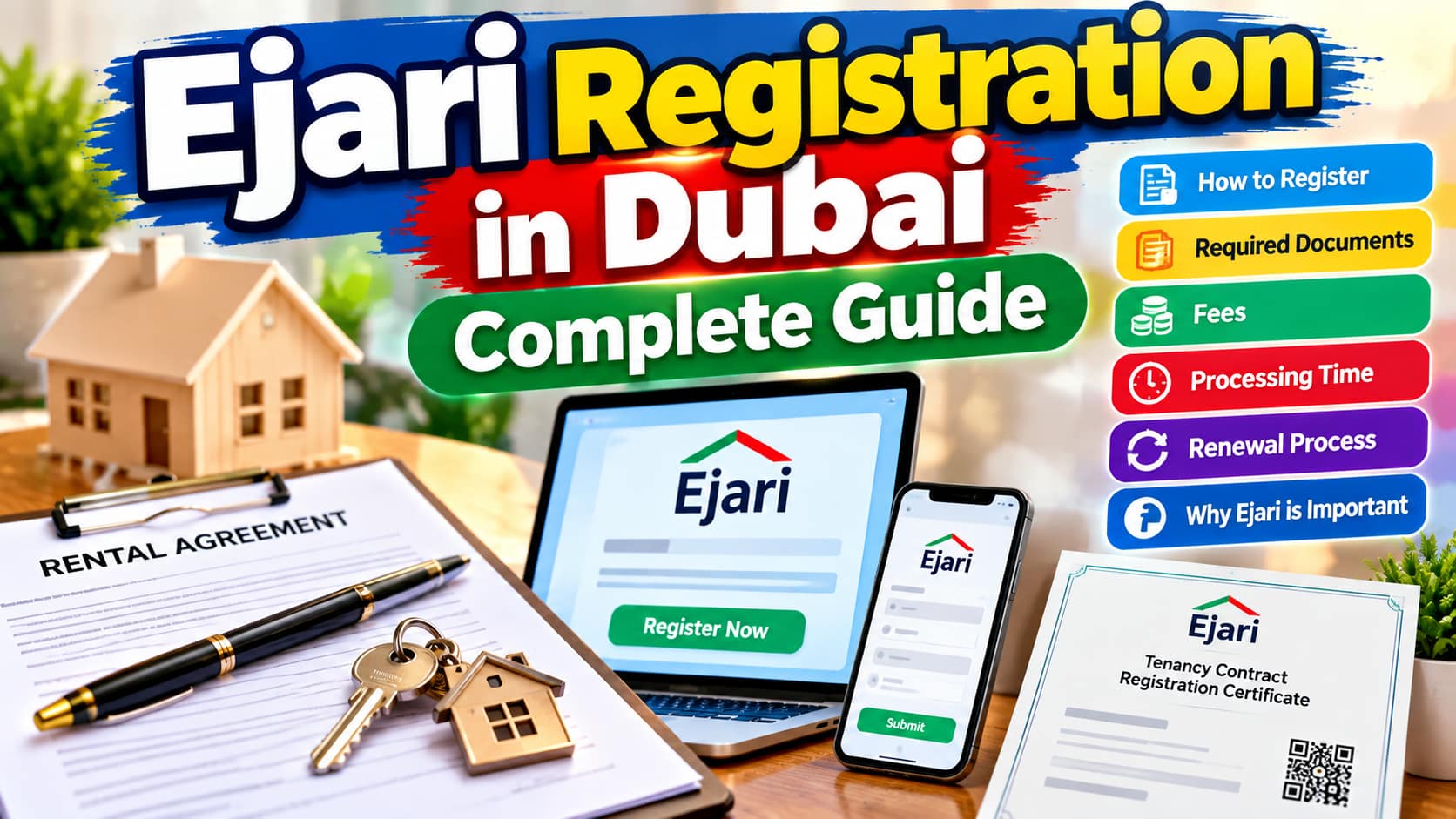
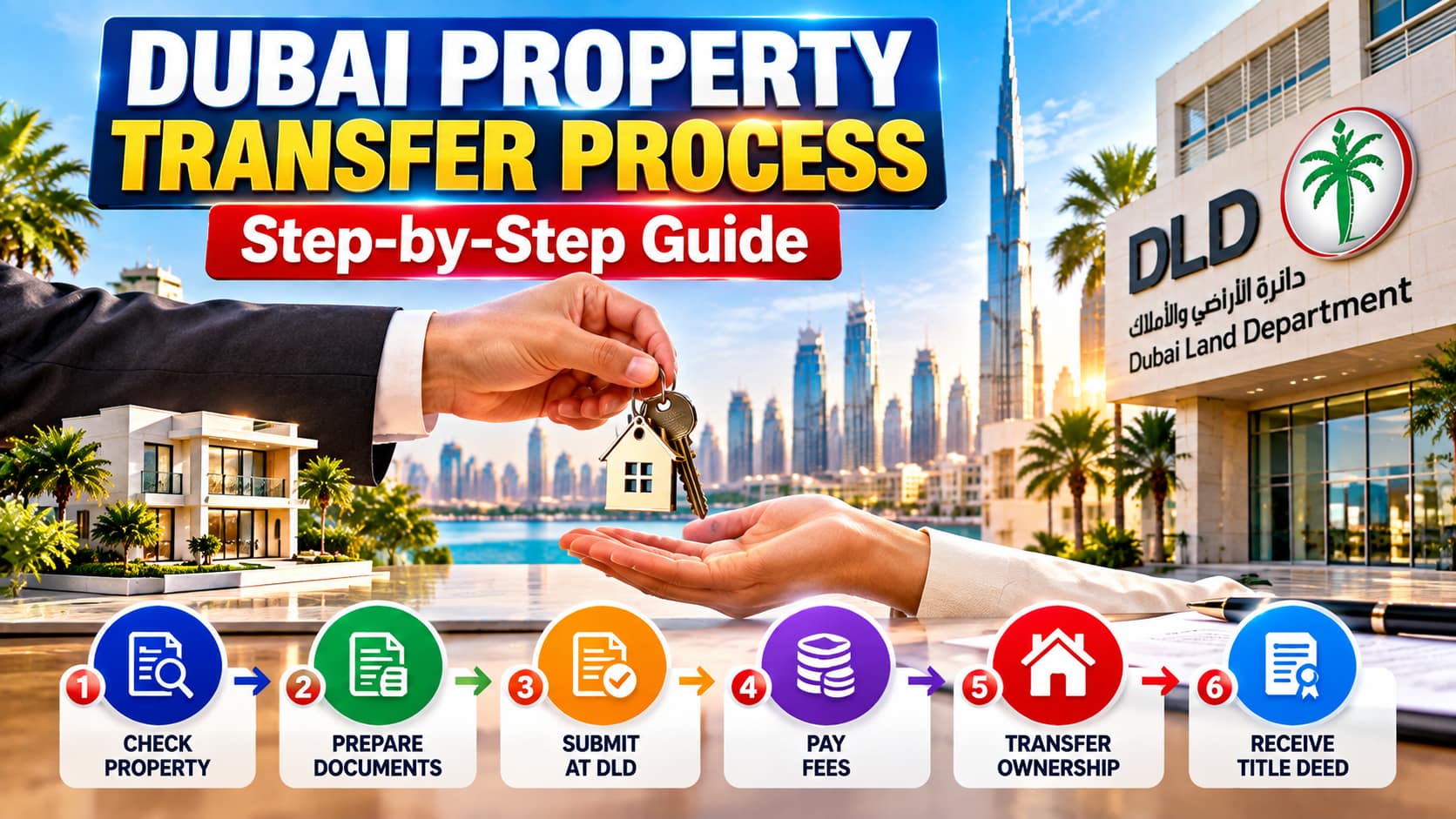
Buying a property can involve documentation, registration, transfer procedures and applicable government fees. Ownership records also provide the official basis for establishing a property’s registered owner.
For buyers and sellers, understanding the registration process can help avoid unnecessary delays and documentation problems.
Dubai RERA: What It Is and How It Regulates Real Estate
Buying, Selling and Renting Property
Property laws affect different stages of the real estate process.
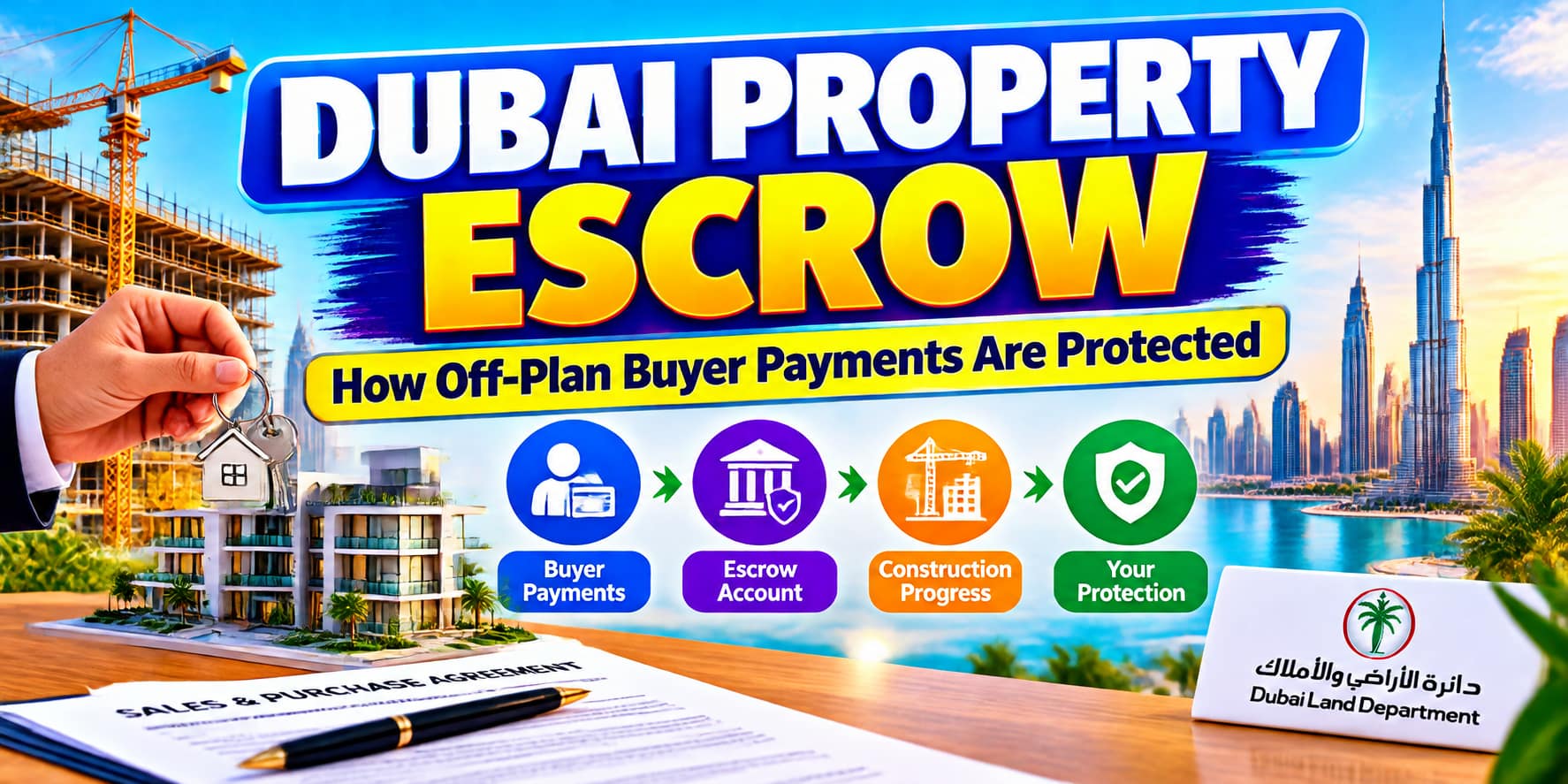
For buyers, this can include purchase agreements, registration, developer requirements and ownership procedures. Sellers may need to complete specific documentation and transfer requirements.
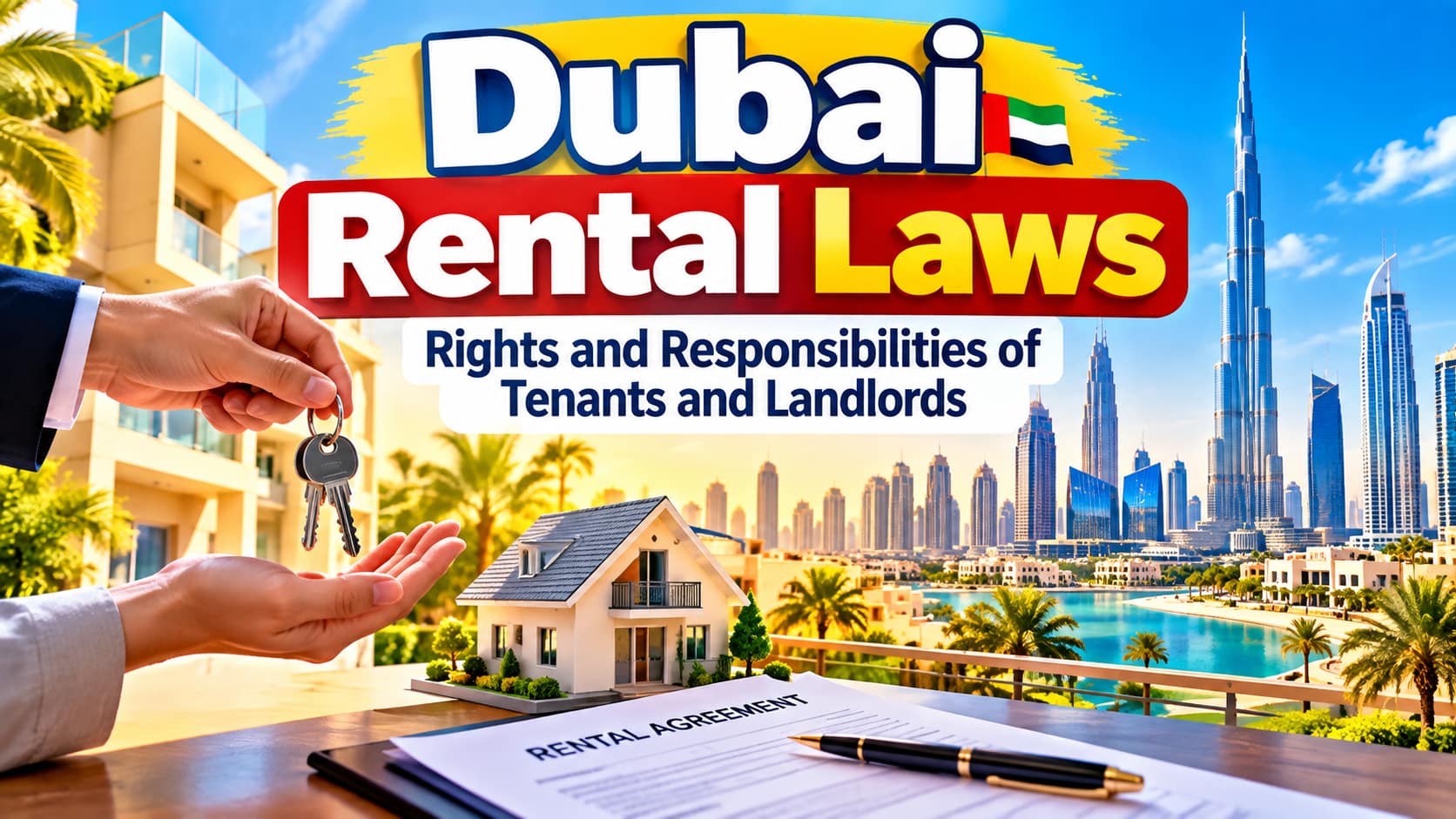
Rental transactions are governed by separate rules covering tenancy agreements, registration, rent-related matters and the responsibilities of landlords and tenants.
Dubai Property Buying Rules: What Every Buyer Should Know
Regulations Can Change
Real estate regulations, government procedures, fees and digital services can change as Dubai updates its property market framework.
New regulations may introduce different procedures, additional protections, updated fees or digital methods for completing property-related transactions. For this reason, current official information is particularly important when making a property decision.
Conclusion
Property laws and regulations form the legal foundation of Dubai’s real estate market. Understanding the rules surrounding ownership, registration, buying, selling and renting can help property participants make informed decisions and complete transactions correctly.
Frequently Asked Questions
1. Why should buyers check property regulations before purchasing in Dubai?
Because property transactions involve legal procedures, documents, fees and ownership requirements that should be understood before completing a purchase.
2. Can Dubai property procedures change over time?
Yes. Government authorities can update regulations, fees, procedures and digital services as the real estate market develops.
3. Are property registration and property ownership the same thing?
They are closely connected but refer to different aspects of the legal process. Registration formally records property ownership and transaction details with the relevant authority.
4. Where can official information about Dubai property rules be verified?
The Dubai Land Department and other relevant UAE authorities are the appropriate sources for checking current property regulations, procedures and official requirements.










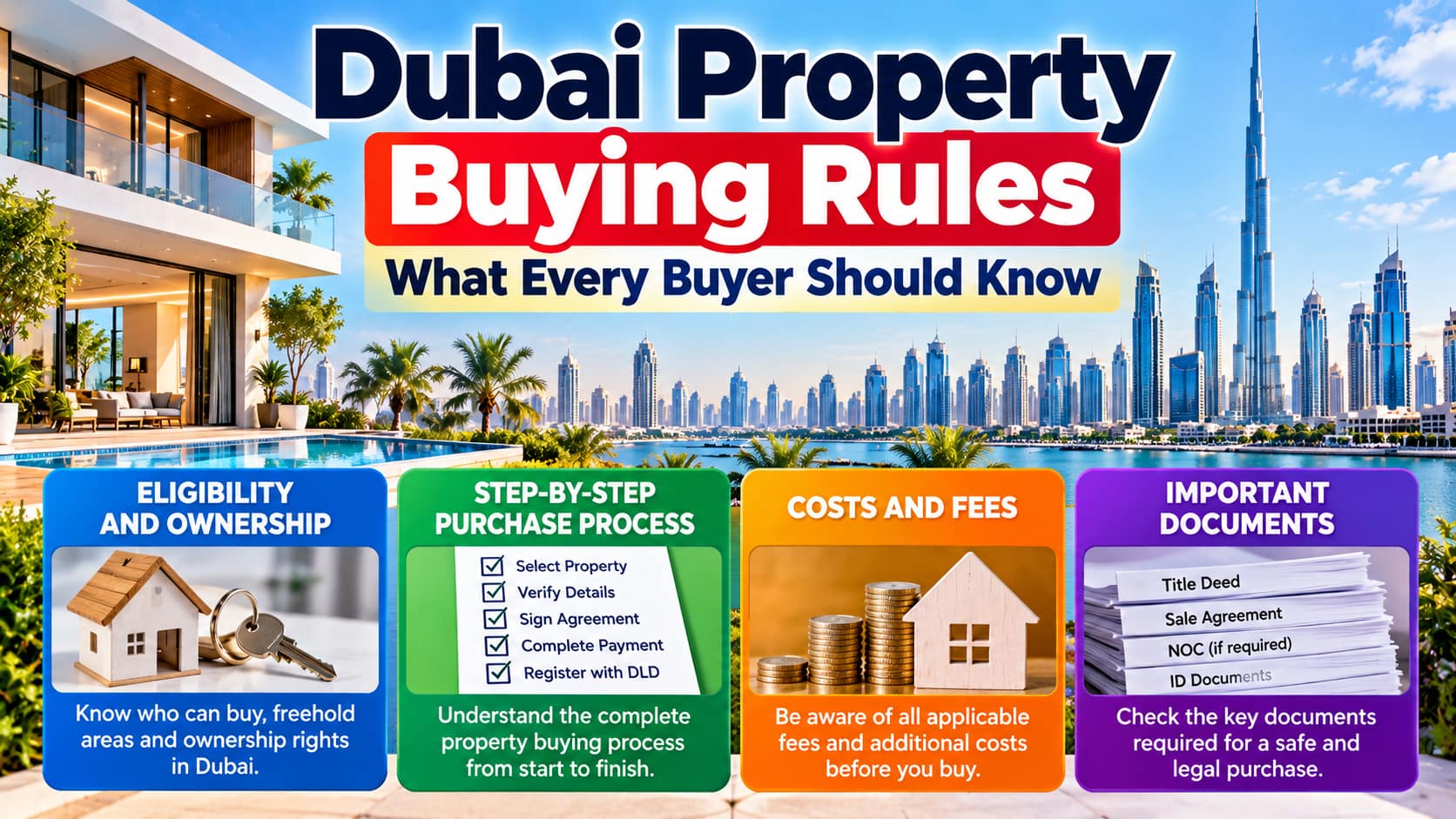




Dubai Property Buying Rules: What Every Buyer Should Know
[…] PROPERTY LAWS & REGULATIONS […]