Dubai Rental Laws define the main rights and responsibilities of tenants and landlords in Dubai. The rules cover rent payments, maintenance, contract renewal, rent changes, security deposits, subletting and eviction. The main framework comes from Dubai’s tenancy legislation, including Law No. 26 of 2007 as amended by Law No. 33 of 2008.
For anyone renting a home or property in Dubai, understanding these basic rules can help avoid unnecessary disputes.
Dubai Tenancy Law: What Does the Rental Contract Cover?
The tenancy contract should clearly set out the agreed rent and the main terms of the rental arrangement.
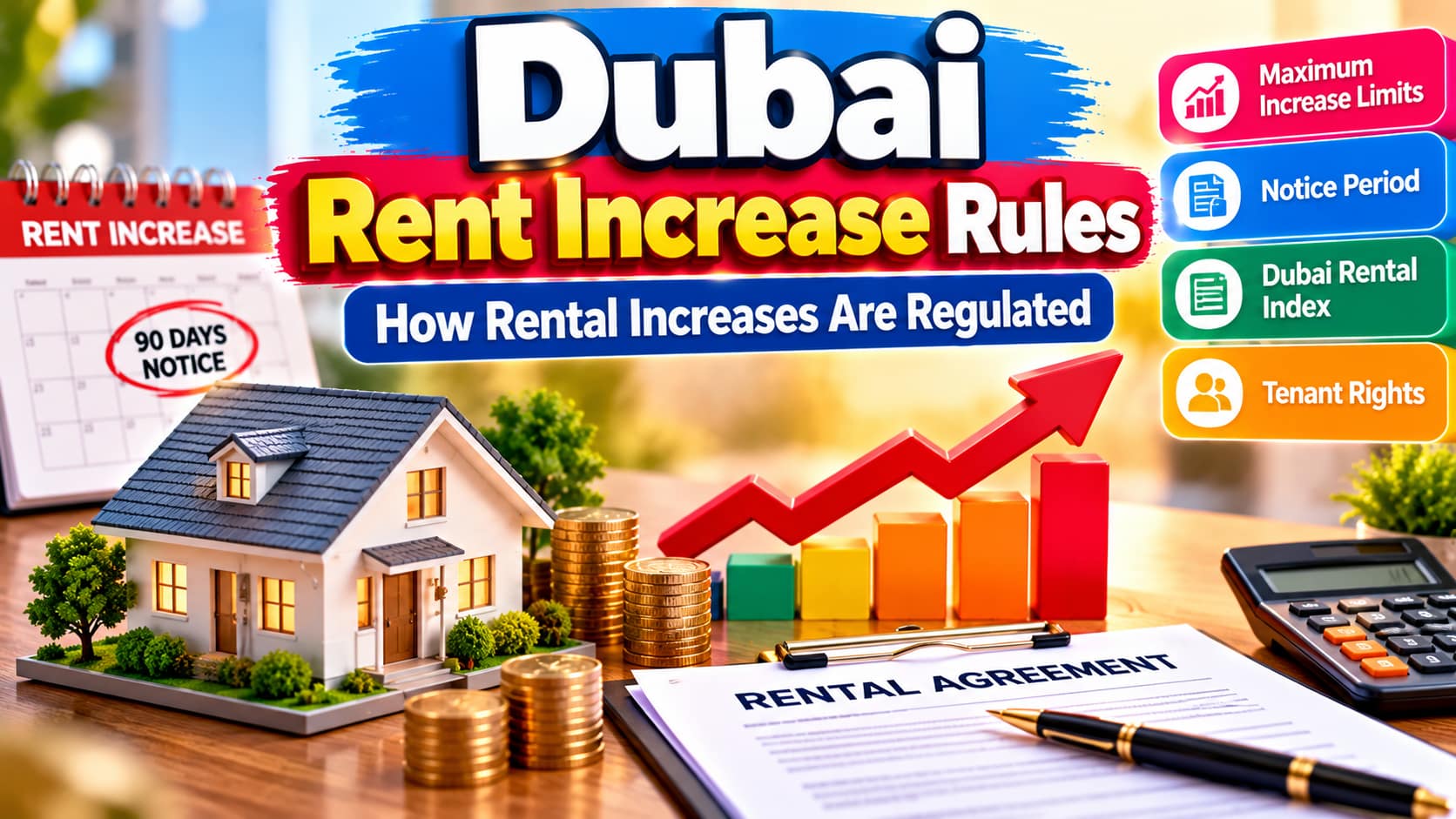
If either the tenant or landlord wants to change the rent or other contract terms at renewal, the other party should generally be notified at least 90 days before the contract expires, unless the parties have agreed to a different notice period.
The contract therefore remains the starting point for understanding what both sides have agreed to.
Dubai Rent Increase Rules: How Rental Increases Are Regulated
Tenant Rights in Dubai
Tenants have important protections under Dubai’s rental framework.
The landlord must hand over the property in a condition that allows the tenant to use it for the agreed purpose. Unless the contract says otherwise, the landlord is also responsible for maintenance and repairs that affect the tenant’s intended use of the property.
A landlord also cannot simply disconnect services or interfere with the tenant’s lawful use of the property.
If a landlord refuses to accept rent, Dubai Land Department says the tenant can use the procedures of the Rental Disputes Center to deposit the rent.
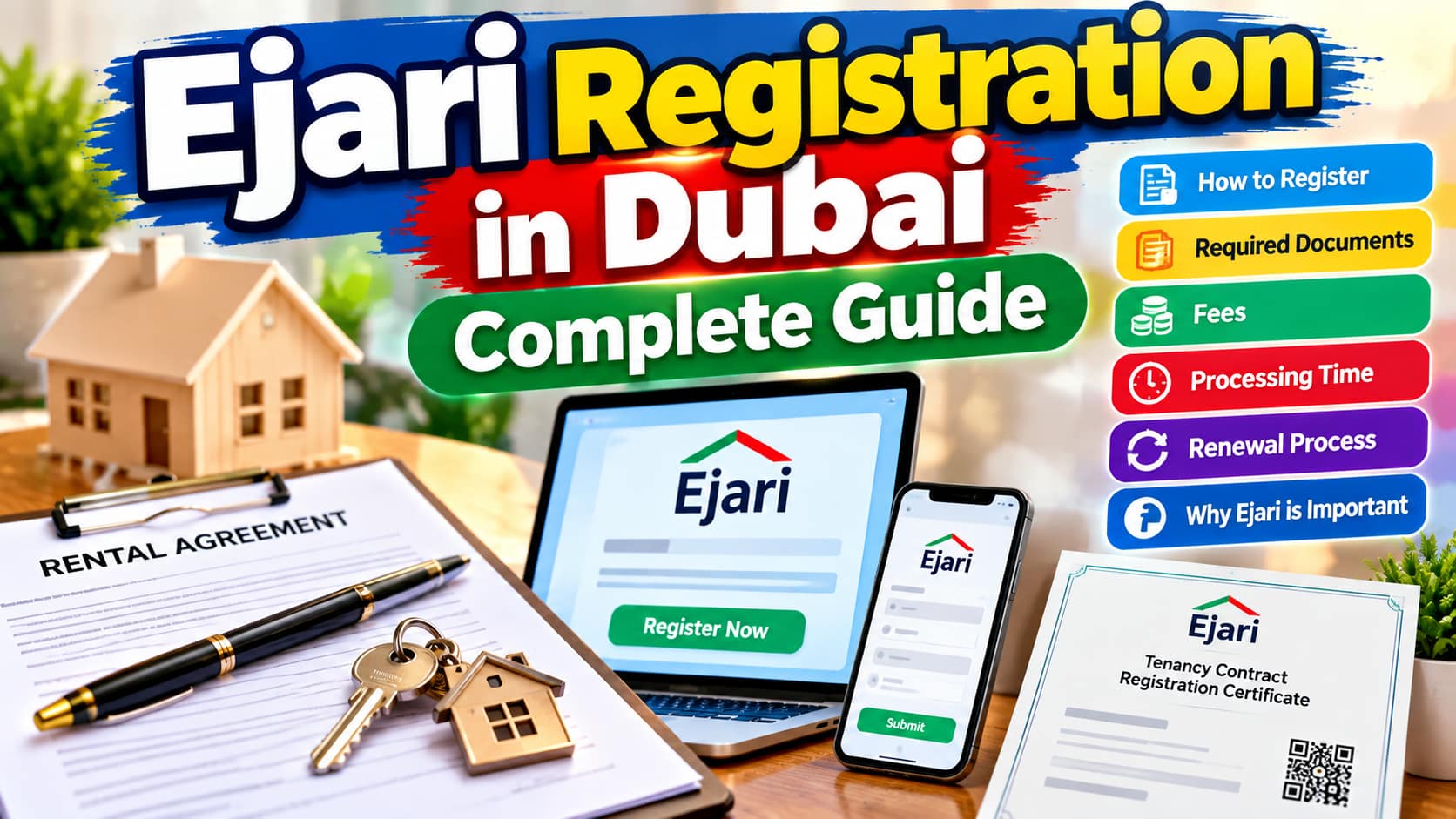
Ejari Registration in Dubai: Complete Guide
Landlord Rights in Dubai
Landlords also have clear rights under the law.
The tenant must:
- Pay rent on the agreed dates.
- Take reasonable care of the property.
- Follow the terms of the tenancy contract.
- Obtain the required permission before making changes or carrying out work that requires approval.
- Not sublet the property without the landlord’s written consent, unless the contract provides otherwise.
If a tenant seriously breaches the contract or the law, the landlord can use the legal process available under Dubai’s tenancy regulations.
Who Is Responsible for Property Maintenance?
Maintenance is one of the most common areas of disagreement between tenants and landlords.
Under Dubai’s tenancy law, the landlord is generally responsible for maintenance and repairs needed for the tenant to use the property as intended, unless the parties have agreed otherwise. The tenant is expected to take ordinary care of the property and handle responsibilities assigned to them under the contract.
This is why the tenancy contract should be checked before deciding who must pay for a particular repair.
Can a Landlord Increase the Rent?
A landlord cannot simply increase the rent whenever they want.
At renewal, rent can be reconsidered by the landlord and tenant. Dubai’s rental framework also provides criteria for determining permitted rental increases, and Dubai Land Department provides a Rental Increase Calculator for checking the applicable increase.
Both sides should also pay attention to the required notice period before the tenancy expires.
The detailed rules on permitted rent increases are important enough to be covered separately, because the amount can depend on the property and its rental market conditions.
Can a Landlord Evict a Tenant?
Eviction depends on the reason and the circumstances.
For example, a landlord may seek eviction during the tenancy where the tenant fails to pay rent after the required notice, sublets without permission, uses the property illegally, seriously damages the property or breaches important tenancy obligations.
There are also specific situations where a landlord can seek eviction at the end of the tenancy, including certain cases involving demolition, major renovation, the owner’s own use or the sale of the property. In these cases, the law provides a 12-month notice period and specific requirements for serving the notice.
So a landlord cannot treat every eviction situation in the same way.
What Happens to the Security Deposit?
A landlord may take a security deposit when the tenancy begins.
The purpose is to cover maintenance of the property at the end of the tenancy. Under the law, the landlord must return the deposit, or the remaining amount after legitimate deductions, when the tenancy ends.
Tenants should therefore keep records of the property’s condition when moving in and when leaving.
What If the Tenant Wants to Sublet?
A tenant generally cannot sublet the property, or part of it, without the landlord’s written consent, unless the tenancy contract states otherwise.
Unauthorised subletting can become a serious tenancy violation and may lead to eviction proceedings.
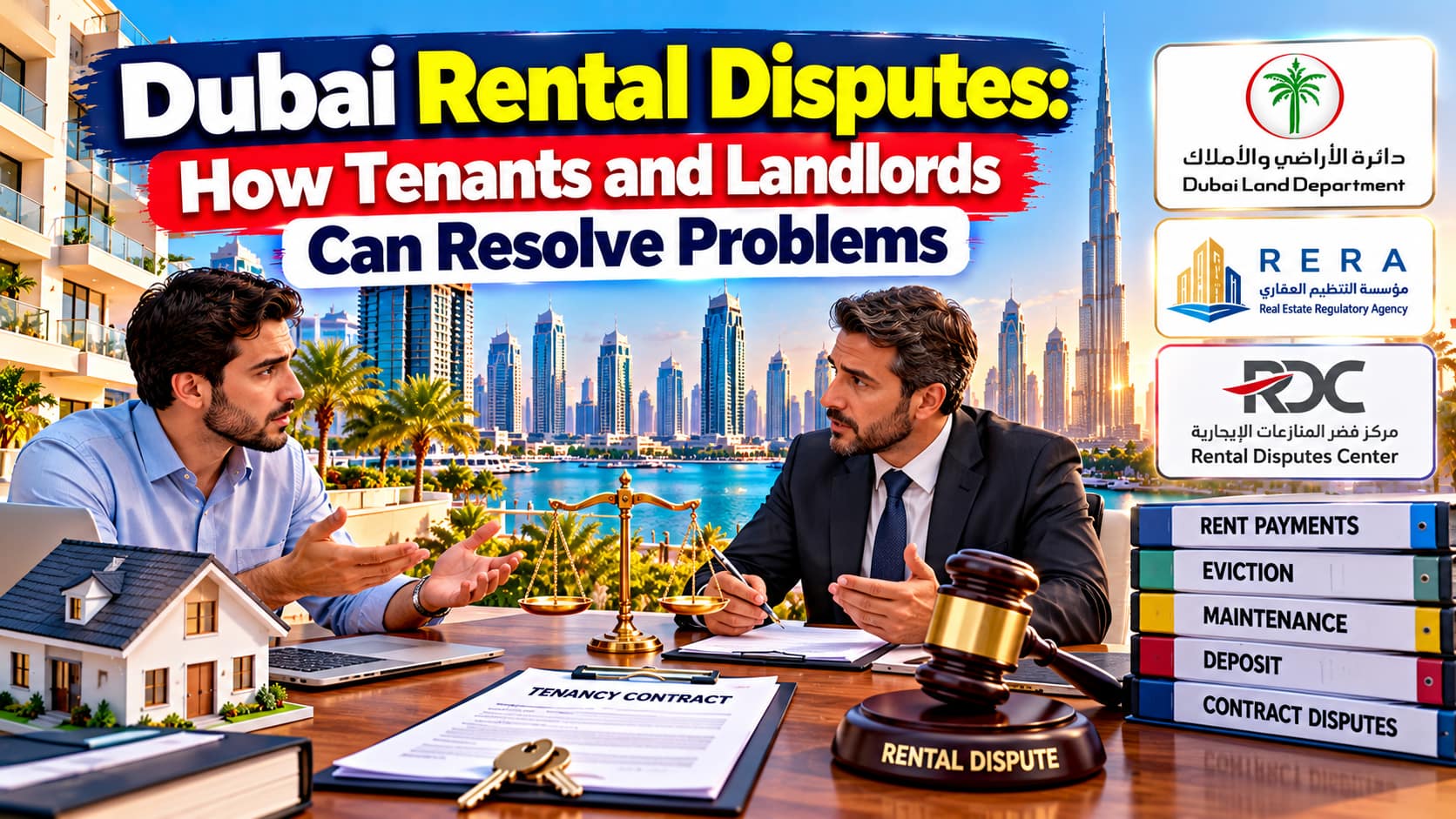
What If a Rental Dispute Happens?
Not every disagreement needs to become a long legal battle.
The first step is usually to check the tenancy contract and the relevant legal requirement. Both sides should keep rent payment records, maintenance communications and important notices.
If the dispute cannot be resolved, the Rental Disputes Center provides the official route for rental disputes in Dubai. Dubai Land Department also provides guidance on matters such as unpaid rent, maintenance and contract changes.
What Tenants and Landlords Should Remember
For tenants, the most important points are paying rent on time, taking care of the property, following the contract and understanding renewal and eviction rules.
For landlords, the key responsibilities include providing a usable property, handling required maintenance, respecting the tenant’s lawful use and following the correct legal process for rent changes or eviction.
Dubai’s rental system is designed around responsibilities on both sides. Knowing the rules before a problem happens is usually much easier than trying to resolve a dispute after it starts.
Final Takeaway
Dubai’s rental laws give both tenants and landlords clear rights and responsibilities. Tenants should understand rent payments, maintenance, renewal, security deposits and eviction rules, while landlords must follow the legal requirements for maintenance, rent changes and eviction.
The safest approach for both sides is to keep the tenancy contract clear, follow the required notice periods and maintain proper records of payments, repairs and important communication. When a dispute cannot be resolved directly, the Rental Disputes Center provides the official route for resolving rental matters in Dubai.