
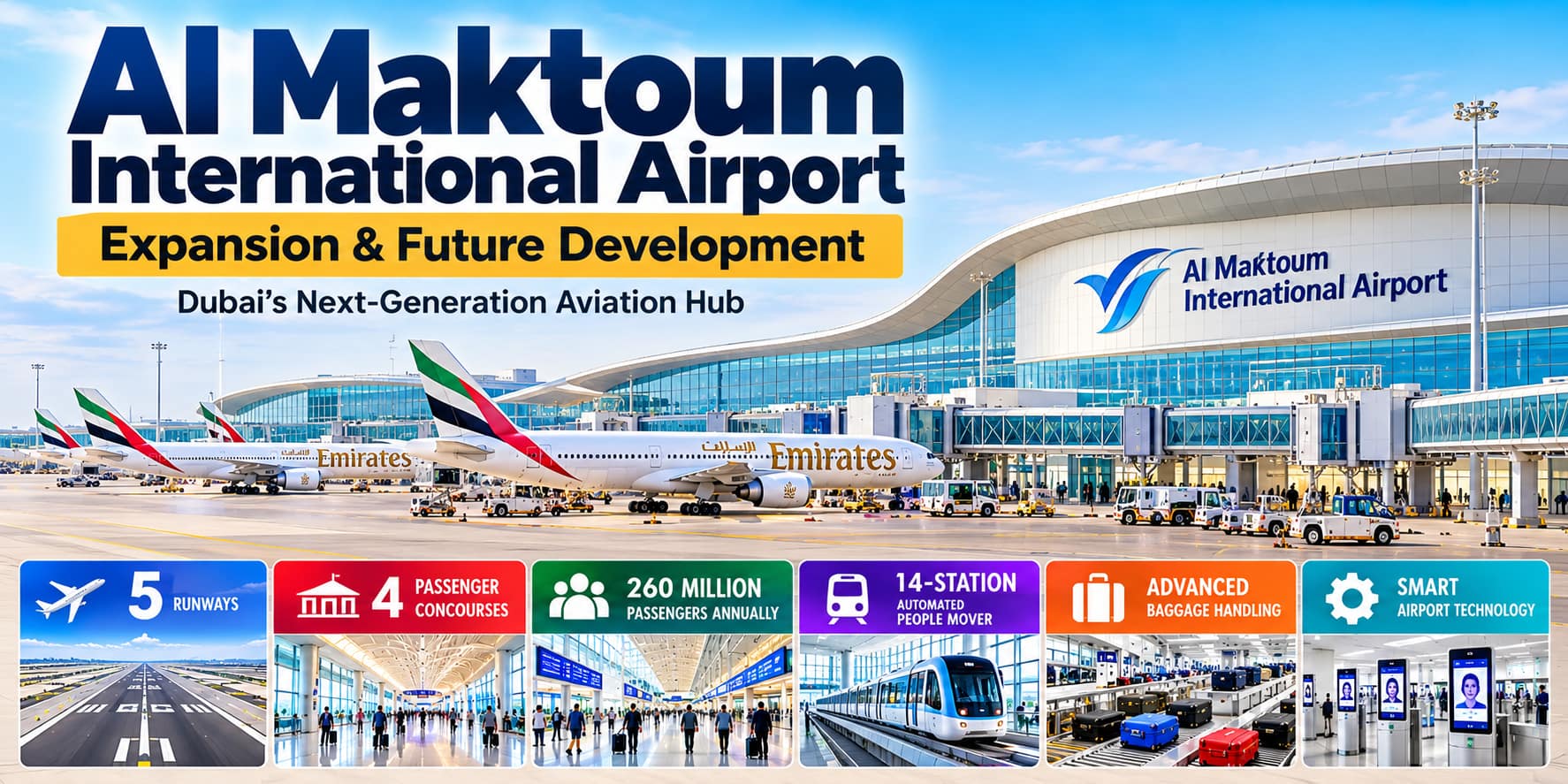
Al Maktoum International Airport is being developed as Dubai’s next-generation aviation hub, designed not simply to add airport capacity but to create an entirely new model for large-scale international air travel. Located in Dubai South, the airport is planned around advanced passenger systems, multiple runways, large terminal complexes, automated transportation and the ability to expand over many years.
Dubai International Airport (DXB) remains the emirate’s principal international gateway today. Al Maktoum International Airport, also known as Dubai World Central (DWC), represents the longer-term plan for how Dubai wants its aviation network to operate in the future.
What makes the project particularly interesting is not just its planned size. The more important story is how the airport is being designed to work.
What Is Al Maktoum International Airport?
Al Maktoum International Airport is Dubai’s second major international airport and is located in the Dubai South area.
The airport began operations in 2010, initially supporting cargo and later limited passenger services. Its role is now changing as Dubai moves forward with a much larger development programme.
The long-term plan is to transform the existing airport into a huge integrated aviation facility capable of handling around 260 million passengers a year when fully developed.
That capacity is only one part of the project. The airport is being designed around a large network of runways, concourses, passenger-processing facilities, baggage systems and automated transportation.
Why Does Dubai Need a New Airport?
Dubai International Airport is surrounded by a mature urban environment. Its location is highly convenient for passengers, but that same location limits the amount of physical expansion possible.
Dubai therefore needs a different approach for its next stage of aviation growth.
Instead of continuously trying to expand an established airport within a dense urban environment, Al Maktoum International is being developed in an area where there is significantly more space for long-term construction.
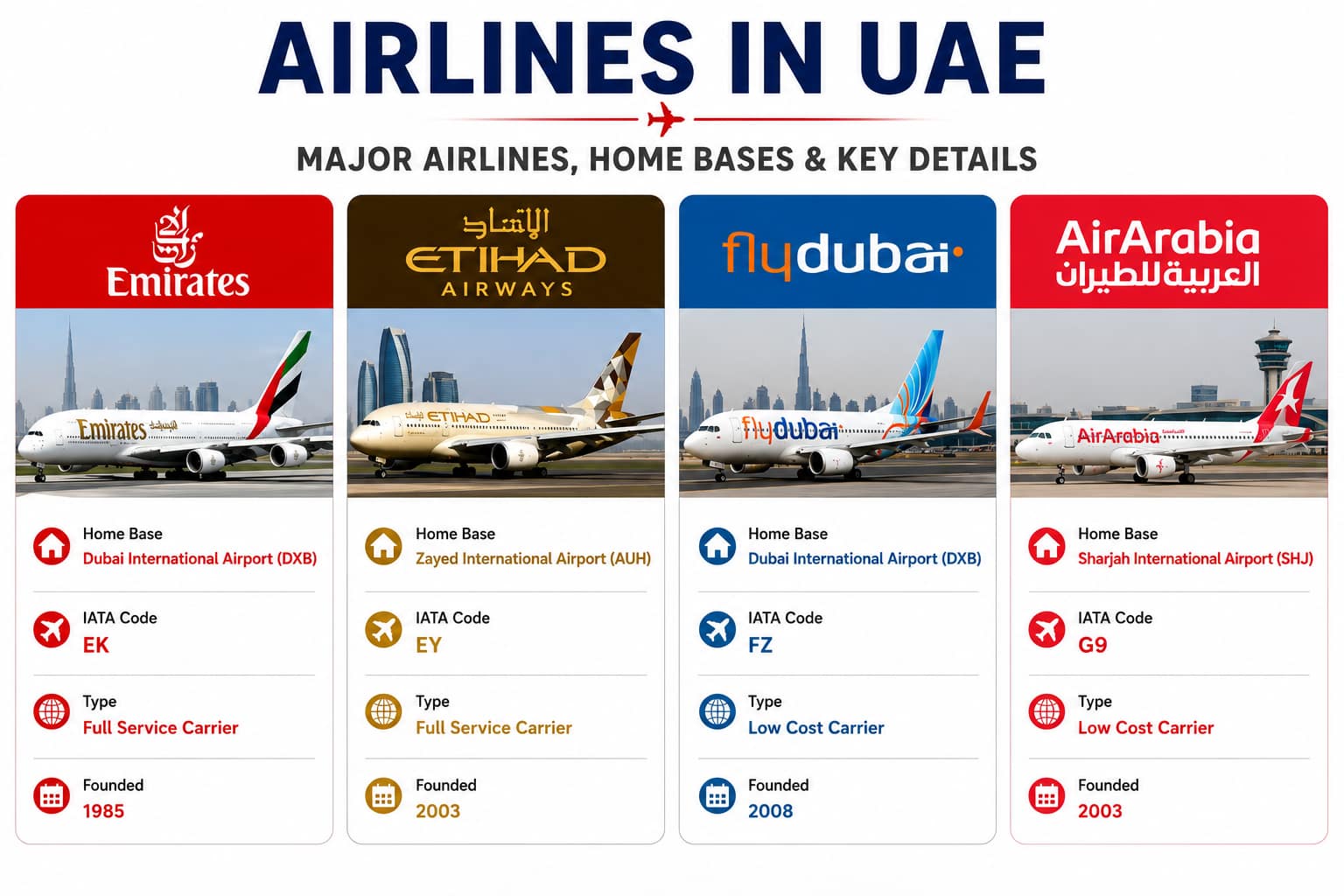
Airlines in UAE: Major Airlines, Home Bases & Key Details
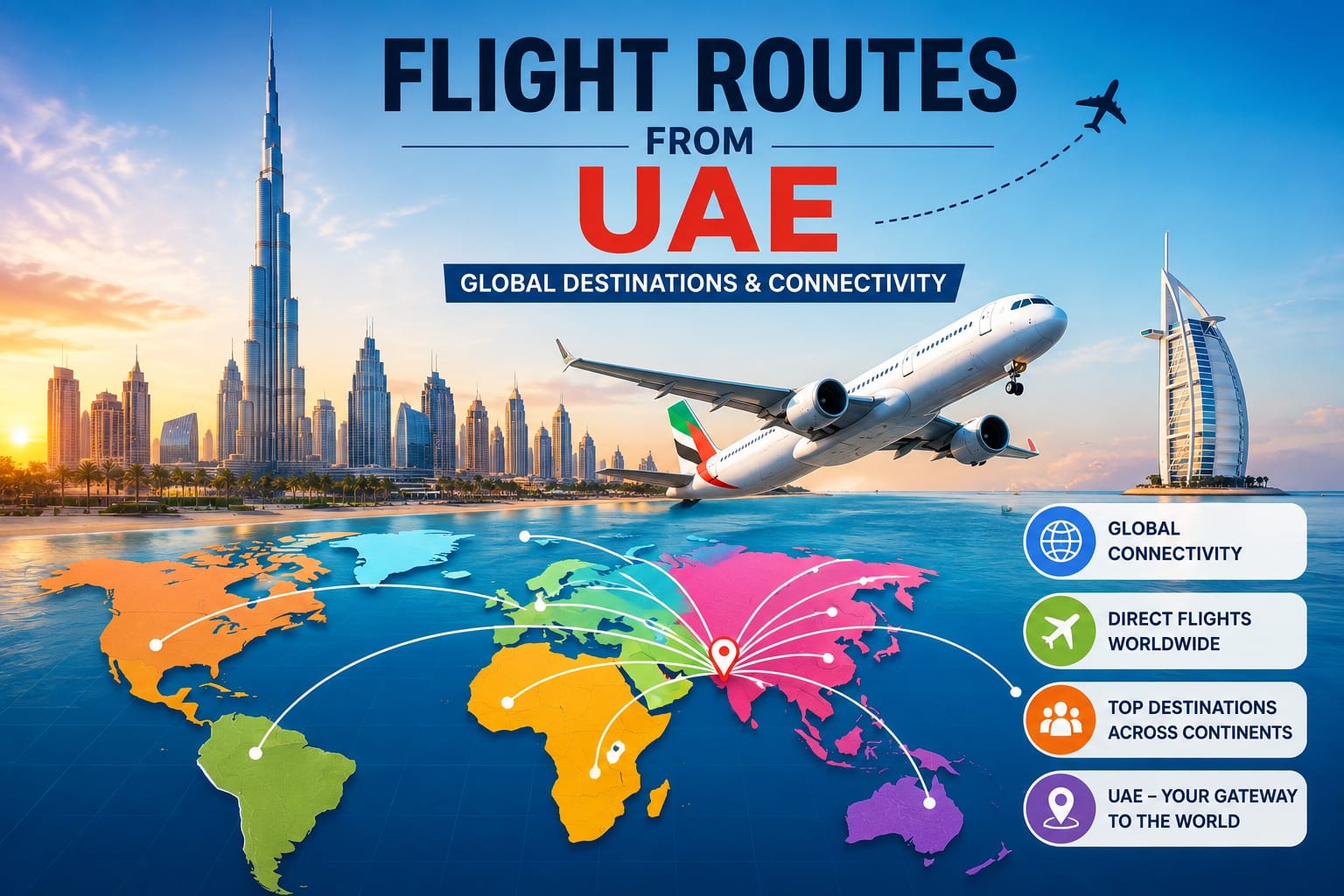
Flight Routes from UAE: Global Destinations & International Connectivity
This gives planners the ability to design the airport, surrounding infrastructure and future urban development together.
The result is intended to be an airport built around future requirements rather than an existing airport repeatedly adapted to accommodate them.
The Scale Is Only One Part of the Story
The planned capacity of approximately 260 million passengers is the figure that attracts the most attention, but capacity alone does not explain the significance of Al Maktoum International.
The future airport is planned with five runways and four passenger terminal concourses, together with hundreds of aircraft contact gates and extensive supporting infrastructure.
This creates a fundamentally different operating environment from simply adding another terminal to an existing airport.
The airport is being designed as a system in which aircraft movement, passenger processing, baggage handling and internal transportation work together.
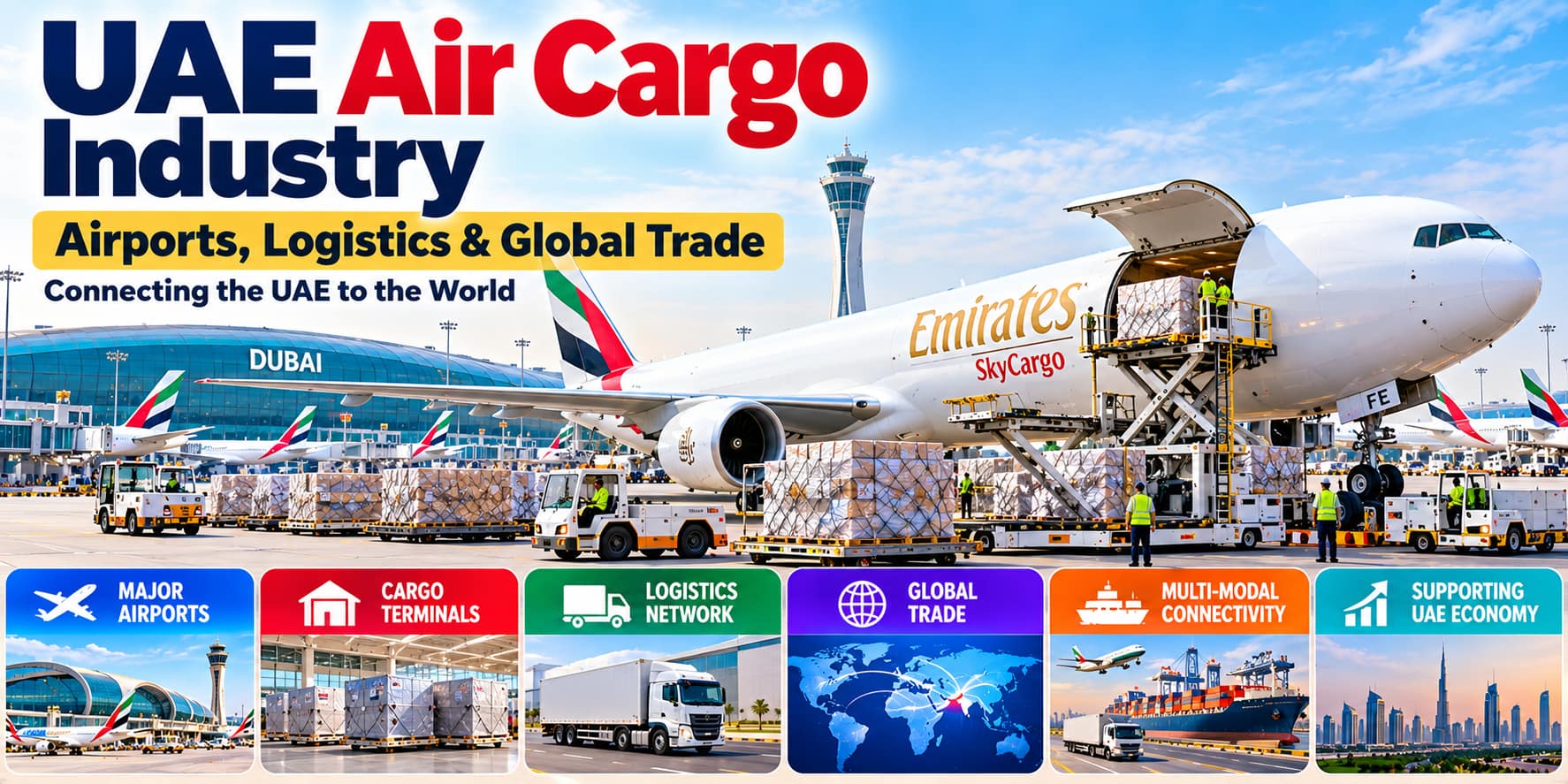
Airports in UAE: Major Airports, Codes and Locations
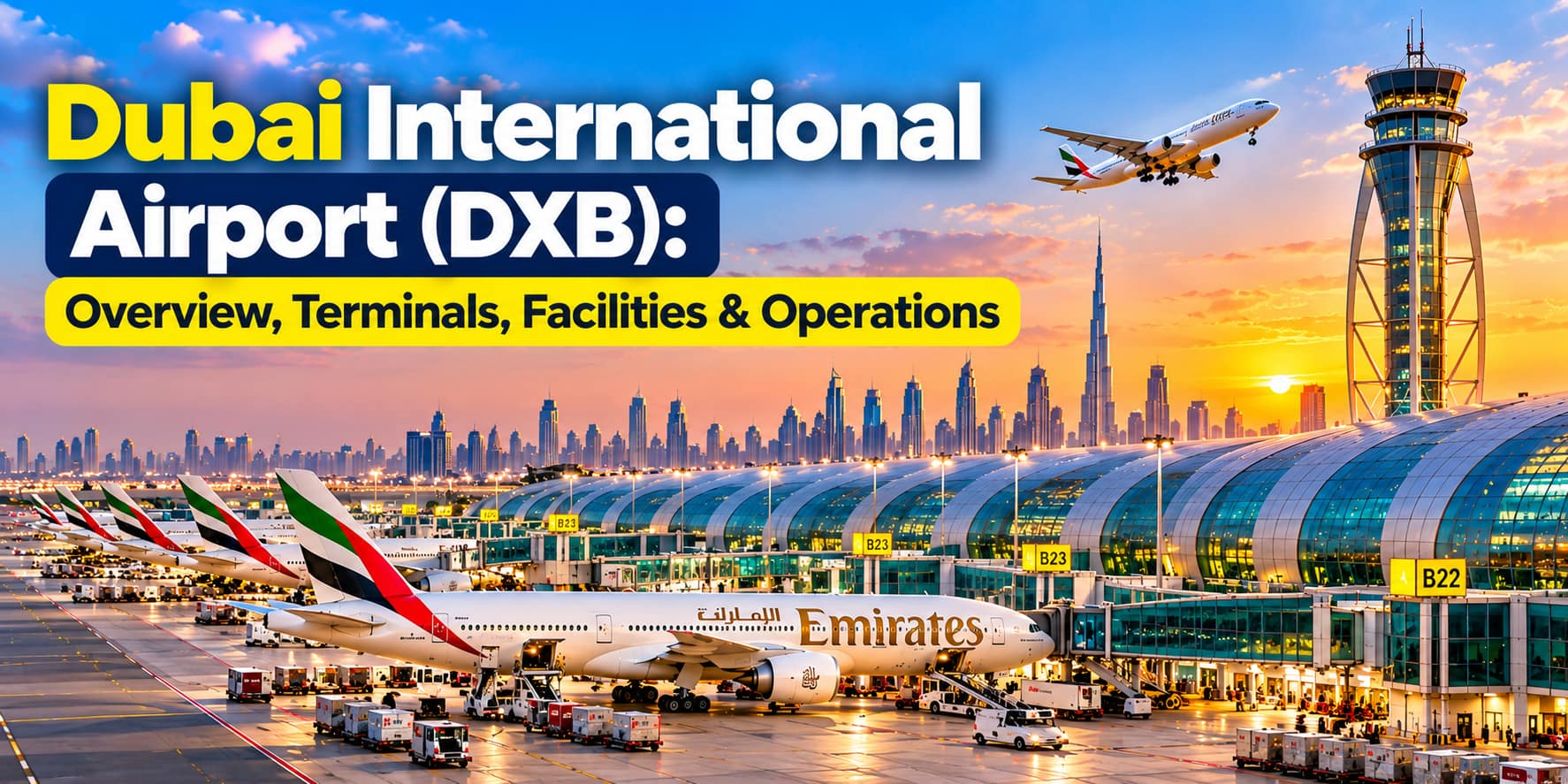
Dubai International Airport (DXB): Terminals, Facilities & Operations
Five Runways: Why Are They Important?
One of the most distinctive features of the future airport is its planned five-runway configuration.
Runways are among the most important elements of any major airport because they determine how aircraft can arrive, depart and move through the airfield.
Having multiple runways provides greater operational flexibility and allows aircraft movements to be distributed across the airport.
For an airport designed to eventually handle enormous numbers of passengers and aircraft movements, runway capacity becomes just as important as terminal capacity.
The five-runway design therefore forms part of the airport’s long-term operating strategy rather than simply being an attempt to make the airport look bigger.
Four Passenger Concourses Instead of One Giant Terminal
Another major feature is the planned use of four passenger terminal concourses.
Rather than treating the airport as one enormous passenger building, the design divides passenger operations across multiple connected areas.
This approach can help organise aircraft gates, passenger flows and airport services more efficiently.
It also creates flexibility as the airport expands. Different parts of the airport can serve different passenger flows and operational requirements without forcing every traveller through one central terminal space.
The scale of the project means that moving people efficiently around the airport is just as important as moving aircraft.
An Automated People Mover Inside the Airport
At a conventional airport, passengers may need to walk considerable distances between terminals, concourses, security areas and boarding gates.
Al Maktoum International is being designed with an Automated People Mover (APM) to help solve this problem.
The planned system will connect key parts of the airport and is expected to include 14 stations.
This is particularly important at an airport of this scale. When an airport becomes extremely large, internal transportation becomes part of the passenger experience.
Instead of simply making terminals larger, the design uses automated transportation to connect different parts of the airport.
A New Approach to the Passenger Journey
The future passenger experience is another area where Al Maktoum International is expected to be different.
The airport’s design incorporates advanced systems intended to reduce unnecessary waiting and simplify passenger movement.
These include concepts such as:
- Automated passenger processing
- Biometric technologies
- Advanced security systems
- Automated baggage handling
- Digital wayfinding
- More efficient passenger flows
- Large-scale passenger processing areas
The objective is not simply to move more people through the airport. It is to make a very large airport feel easier to navigate.
That distinction matters.
A 260-million-passenger airport would become difficult to use if passengers had to rely entirely on conventional queues, manual processes and long walking routes.
The Baggage System Is a Major Part of the Design
Baggage handling is one of the least visible but most important parts of airport infrastructure.
A passenger may only see a baggage belt after arriving, but behind it is a complex network that must identify, sort and transport luggage between check-in areas, security systems, aircraft and baggage reclaim.
Al Maktoum International is being developed with a large automated baggage-handling system designed to support its future scale.
The importance of this system becomes clear when considering the number of passengers the airport is expected to handle.
At that scale, baggage processing cannot depend entirely on conventional manual movement. Automation becomes essential to maintaining speed and reliability.
How Will the Airport Be Built?
Al Maktoum International is not being built as a single project that becomes fully operational overnight.
Its development is planned in phases.
The first major stage is designed to establish the core passenger facilities and supporting systems. Later stages can then increase capacity and add further infrastructure as demand grows.
This phased approach allows Dubai to develop the airport progressively instead of constructing the entire ultimate configuration at once.
It also gives planners the ability to adapt future phases to changes in aviation technology, passenger behaviour and international travel demand.
What Is Being Built Now?
The project has moved beyond being only a long-term concept.
Construction activity is taking place across several parts of the future airport, including passenger terminal works, concourse infrastructure, automated people-mover systems, baggage-handling infrastructure and other major building systems.
The development therefore represents a continuing construction programme rather than a distant proposal with no physical progress.
As individual packages are completed, the airport will gradually take shape as the much larger facility planned for Dubai’s future.
The Airport Is Being Built Around Dubai South
Al Maktoum International is closely connected to Dubai South, the large development surrounding the airport.
This relationship is important because the airport is not being treated as an isolated facility surrounded by an already established city.
Instead, aviation is one of the central elements around which the wider area is developing.
This creates the possibility of an aerotropolis — an urban environment in which an airport acts as a major economic and geographical centre for businesses, logistics, employment and supporting infrastructure.
That makes Al Maktoum International different from an airport simply added to an existing city.
What Happens to Dubai International Airport?
One of the biggest questions surrounding Al Maktoum International is the future relationship between DWC and DXB.
Dubai International Airport remains an essential part of the emirate’s aviation network and continues to handle enormous international passenger traffic.
The development of Al Maktoum International is therefore a long-term transition rather than an immediate replacement.
As the new airport’s infrastructure and capacity increase, more aviation activity can eventually shift towards the larger facility.
This gradual approach allows Dubai to maintain its existing aviation network while preparing the infrastructure required for the future.
Why the Location Matters
The location of Al Maktoum International provides something DXB cannot easily provide: space for long-term expansion.
A large airport needs more than terminals and runways. It needs aircraft parking areas, maintenance facilities, roads, passenger access, baggage systems, utilities and supporting infrastructure.
Building such a system within a mature urban environment is difficult.
Dubai South provides the physical space to develop these systems together and expand them over time.
This is one of the fundamental reasons the airport has become such an important part of Dubai’s long-term planning.
What Could Make Al Maktoum International Different From Today’s Airports?
The most interesting aspect of the project is the combination of several technologies and systems rather than any single feature.
The future airport brings together:
- Multiple runways
- Four major passenger concourses
- Hundreds of aircraft gates
- Automated people movement
- Advanced baggage handling
- Biometric passenger processing
- Large-scale automation
- Flexible phased expansion
- Integration with a wider airport-centred urban development
Individually, many of these technologies already exist at airports around the world.
What makes Al Maktoum International unusual is the attempt to integrate them into a new airport designed from the beginning for extremely large-scale operations.
What Could the Airport Mean for Dubai?
The airport’s importance goes beyond passenger numbers.
A major international airport influences how people, businesses and goods connect with a city.
For Dubai, the project can provide additional long-term aviation capacity while supporting the development of Dubai South and the surrounding economic infrastructure.
It also gives the emirate an opportunity to rethink how a major airport should function when it is designed for future generations rather than adapted from an older model.
Al Maktoum International Airport and the Next Generation of Aviation
The project reflects a broader change taking place in aviation.
Airports are no longer simply places where passengers board aircraft. They are becoming highly automated transportation systems that combine aviation, digital technology, logistics, urban planning and passenger services.
Al Maktoum International is being designed around that idea.
Its future will depend not only on how many aircraft it can accommodate, but on how efficiently it can move millions of passengers through the entire journey — from arriving at the airport to reaching the aircraft and continuing through the terminal.
Conclusion
Al Maktoum International Airport is one of Dubai’s most ambitious long-term infrastructure projects, but its importance is not simply about building the world’s largest airport.
The more significant story is the way the airport is being designed.
Five planned runways, four major passenger concourses, an automated people mover, advanced baggage systems, biometric processing and phased expansion are being combined into a single airport designed for future-scale aviation.
DXB will remain central to Dubai’s aviation network during the transition, but Al Maktoum International represents the next stage of the emirate’s airport strategy.
If the full vision is delivered, Dubai will not simply have a larger airport. It will have a new aviation system designed around how the next generation of international travel could work.




Airports In UAE: Major Airports, Codes & Locations
[…] Al Maktoum International Airport: The Airport Dubai Is Building for the Next 50 Years […]