
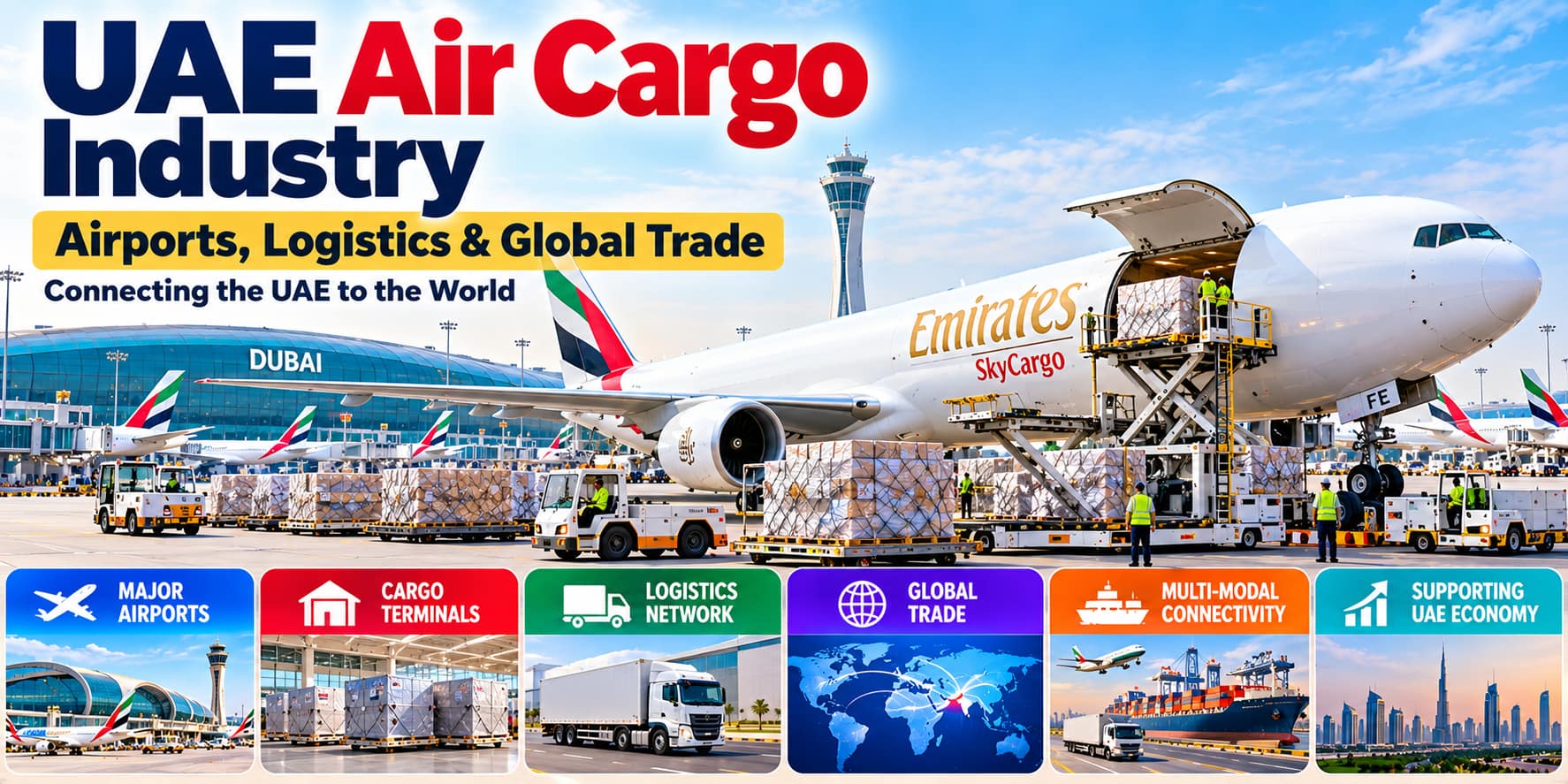
The UAE air cargo industry is one of the most important parts of the country’s global trade network. Located between major markets in Asia, Europe, Africa and the Middle East, the UAE has developed an aviation and logistics system that allows goods to move rapidly between different parts of the world.
Air cargo in the UAE is not limited to aircraft carrying packages from one airport to another. It is connected to airports, cargo terminals, freight forwarders, warehouses, free zones, ports, roads and international supply chains.
This combination has helped the UAE become an important centre for moving high-value and time-sensitive goods across global markets.
What Is the UAE Air Cargo Industry?
The UAE air cargo industry includes all the businesses and infrastructure involved in transporting goods by air.
This includes:
- Cargo airports and terminals
- Freighter aircraft
- Passenger aircraft carrying cargo in their holds
- Cargo handling companies
- Freight forwarders
- Warehouses and distribution centres
- Customs and clearance services
- Road transport connections
- Logistics companies
- Free zones and trade centres
Together, these systems allow goods to move from manufacturers and suppliers to international customers.
The industry supports both goods entering the UAE and products passing through the country on their way to other destinations.
Why Is the UAE Important for Air Cargo?
The UAE’s geographical position is one of its biggest advantages.
The country sits between major economic regions, making it possible for airlines and logistics companies to connect markets across several continents within relatively short flying times.
From the UAE, cargo networks can connect with:
- Asia
- Europe
- Africa
- The Middle East
- South Asia
- North America
This geographical position has encouraged Dubai and Abu Dhabi to develop aviation and logistics infrastructure designed around international trade.
But geography alone is not enough. The UAE has combined its location with modern airports, logistics zones, customs infrastructure and international airline networks.
Dubai and Abu Dhabi: The Two Major Cargo Centres
The UAE’s air cargo network is supported by several airports, but Dubai and Abu Dhabi are particularly important.
Dubai has developed a highly integrated aviation and logistics ecosystem around Dubai International Airport and Al Maktoum International Airport.
Abu Dhabi has also developed significant cargo and logistics capabilities around Zayed International Airport and the wider Abu Dhabi logistics network.
The two emirates complement each other by providing different facilities, routes and logistics opportunities.
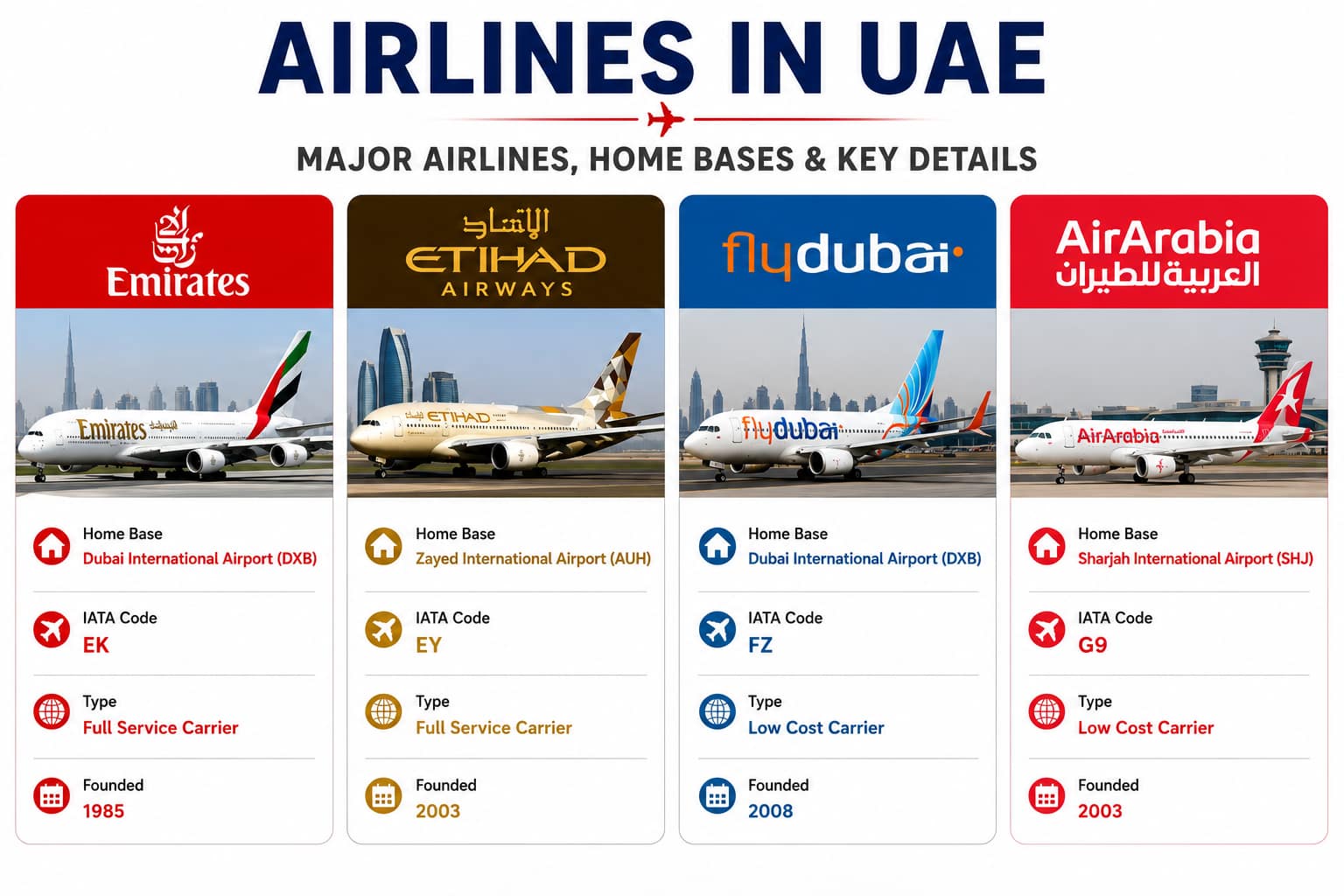
Airlines in UAE: Major Airlines, Home Bases & Key Details
Flight Routes from UAE: Global Destinations & International Connectivity
Dubai International Airport and Air Cargo
Dubai International Airport is best known for passenger aviation, but cargo is also an important part of its operations.
Its location within the established urban area provides convenient access to Dubai’s commercial centres and major markets.
Cargo passing through the airport can be connected with road transportation and other logistics facilities across Dubai.
However, the long-term development of Dubai’s air cargo infrastructure is increasingly connected with Al Maktoum International Airport and Dubai South.
Air Traffic Control in the UAE: How Flights Are Managed
UAE Civil Aviation Authority: Roles & Responsibilities
Al Maktoum International Airport and the Future of Cargo
Al Maktoum International Airport is particularly important to the future of UAE air cargo because it has been designed within a much larger aviation and logistics environment.
Unlike an airport surrounded by an established city, the airport is located within Dubai South, where aviation, logistics, commercial activity and supporting infrastructure are being developed together.
This creates space for large cargo facilities, aircraft operations, warehouses and road connections.
The airport’s future development therefore has significance beyond passenger aviation.
It forms part of a wider attempt to create an integrated logistics environment around one of Dubai’s major future aviation hubs.
Abu Dhabi’s Role in Air Cargo
Abu Dhabi is another important part of the UAE’s cargo network.
Zayed International Airport provides passenger and cargo aviation connections, while Abu Dhabi’s wider industrial and logistics infrastructure supports international trade.
The emirate’s strategic location and connections to industrial areas, ports and economic zones allow air freight to work alongside other forms of transportation.
This is important because modern logistics rarely depends on one transport method.
Air cargo can handle urgent or high-value shipments, while ships, trucks and other transportation systems handle different parts of the supply chain.
What Types of Goods Move by Air?
Air cargo is particularly useful when speed, security or reliability is more important than the cost of transportation.
Goods transported by air can include:
Electronics
Electronic components, devices and high-value technology products often require fast and secure transportation.
Pharmaceuticals and Healthcare Products
Medicines, medical equipment and temperature-sensitive healthcare products may require carefully controlled transportation.
Perishable Goods
Fresh food, flowers and other products with limited shelf lives can benefit from faster international transportation.
Luxury Products
Jewellery, watches, designer products and other high-value goods can require secure and carefully managed logistics.
Spare Parts
Aircraft components, machinery parts and industrial equipment may need to reach their destination quickly to prevent expensive operational delays.
E-Commerce Shipments
The growth of international online shopping has created additional demand for fast cross-border delivery.
Passenger Aircraft Also Carry Cargo
Air cargo does not always require a dedicated cargo aircraft.
Many passenger aircraft carry freight in their lower-deck cargo compartments.
This allows airlines to transport goods while operating scheduled passenger flights.
Dedicated freighter aircraft, however, are designed specifically for cargo and can carry larger quantities of freight.
The combination of passenger aircraft belly cargo and dedicated freighter operations gives the UAE greater flexibility in serving international markets.
How Does an Air Cargo Shipment Move Through the UAE?
A typical air cargo journey involves much more than loading a package onto an aircraft.
A shipment may pass through several stages:
1. Collection
Goods are collected from a manufacturer, supplier or warehouse.
2. Documentation
The shipment is prepared with the required commercial and transportation documents.
3. Freight Forwarding
A freight forwarder may arrange transportation, consolidation and other logistics services.
4. Customs Processing
The shipment is processed according to applicable customs requirements.
5. Cargo Terminal Handling
Goods are received, checked, sorted and prepared for loading.
6. Aircraft Loading
The cargo is loaded onto a dedicated freighter or passenger aircraft.
7. International Flight
The aircraft transports the shipment to its destination or another connecting hub.
8. Arrival and Distribution
After arrival, the cargo goes through the destination country’s required processes before being delivered to the final customer.
The efficiency of every stage matters. A fast flight cannot compensate for delays elsewhere in the supply chain.
Free Zones and Air Cargo
Free zones are an important part of the UAE’s broader trade and logistics ecosystem.
They can provide businesses with specialised infrastructure for importing, storing, processing and distributing goods.
For air cargo companies, being close to an airport and logistics zone can reduce the time required to move shipments between aircraft, warehouses and businesses.
This is one reason aviation infrastructure and commercial development are often planned together in the UAE.
Air Cargo and Seaports: Working Together
One of the UAE’s major logistics advantages is that air cargo does not operate independently from maritime trade.
The country has major seaports as well as international airports, creating opportunities for different modes of transportation to work together.
Some goods are better suited to maritime transportation because of their volume and cost.
Other shipments require the speed of air freight.
Businesses can therefore choose transportation according to the urgency, value, size and destination of their goods.
This combination of air, sea and road transport is a major part of the UAE’s position as a logistics centre.
The Importance of Road Connectivity
Once cargo reaches an airport, it still needs to reach a warehouse, factory, distribution centre or customer.
Road transportation therefore plays a critical role in air freight.
Cargo terminals need efficient road connections so that trucks can collect and deliver shipments without unnecessary delays.
This is especially important for time-sensitive goods such as pharmaceuticals, fresh food and urgent industrial components.
Why Speed Matters in Air Cargo
Air freight is generally more expensive than many other forms of transportation, so companies do not use it simply because an aircraft is available.
They use it when speed provides enough value to justify the cost.
For example, a manufacturer waiting for a critical machine component may lose far more money from a production shutdown than it would spend on air freight.
Similarly, a pharmaceutical shipment may require rapid transportation because of its value, sensitivity or handling requirements.
This is where the UAE’s location and aviation infrastructure become particularly valuable.
Technology in UAE Air Cargo
Modern air cargo increasingly depends on technology.
Cargo operations use digital systems for areas such as:
- Shipment tracking
- Documentation
- Cargo identification
- Warehouse management
- Customs processing
- Inventory control
- Security
- Temperature monitoring
Automation can also improve the movement of cargo inside large logistics facilities.
For businesses, visibility is particularly important. Knowing where a shipment is located and when it is expected to arrive allows companies to manage inventory and supply chains more efficiently.
Why Dubai South Matters to Future Logistics
Dubai South is becoming particularly important to the future of Dubai’s aviation and logistics strategy.
The area brings aviation, logistics, commercial development and supporting infrastructure closer together.
Al Maktoum International Airport is one of its central elements, while logistics facilities and businesses can operate around the airport.
This creates the possibility of a large-scale logistics ecosystem in which cargo can move between aircraft, warehouses, roads and other transport networks with fewer geographical barriers.
Air Cargo and E-Commerce
International e-commerce has changed consumer expectations.
Customers increasingly expect products purchased from another country to arrive quickly and with reliable tracking.
This creates demand for international air freight, especially for smaller and higher-value shipments.
The UAE’s position between major consumer markets makes it useful for companies looking to distribute products across the Middle East, Africa and other international markets.
Dubai’s logistics infrastructure also supports businesses that use the emirate as a regional distribution point.
Air Cargo and the UAE Economy
The importance of air cargo extends beyond airlines and airports.
The industry supports a much wider network of businesses and employment, including:
- Logistics companies
- Freight forwarders
- Warehouse operators
- Customs services
- Trucking companies
- Maintenance providers
- Packaging businesses
- Technology companies
- Importers and exporters
- Manufacturers
- Retail and e-commerce businesses
This makes air cargo part of the wider UAE trade economy rather than an isolated aviation activity.
What Makes the UAE Air Cargo Model Different?
The UAE’s strength comes from the combination of several advantages rather than one individual feature.
The country offers:
- A strategic geographical location
- Major international airports
- Dedicated cargo infrastructure
- Global airline connections
- Modern road networks
- International seaports
- Free zones and logistics centres
- Advanced customs and trade systems
- A large international business community
When these elements operate together, businesses can move goods between different parts of the world through a single logistics ecosystem.
The Future of Air Cargo in the UAE
The UAE’s air cargo sector is likely to become increasingly connected with automation, digital logistics and large-scale distribution.
Future developments around Al Maktoum International Airport and Dubai South are particularly important because they provide space for aviation and logistics infrastructure to expand together.
At the same time, Abu Dhabi’s continued development of aviation, industrial and logistics facilities adds another major component to the country’s cargo network.
The future will not simply be about moving more cargo. It will be about moving goods faster, more efficiently and with greater visibility across the entire supply chain.
Conclusion
The UAE air cargo industry is a major part of the country’s position in global trade. Its importance comes from the combination of geography, airports, airlines, logistics zones, seaports, roads and international business connections.
Dubai and Abu Dhabi provide major aviation gateways, while developments such as Dubai South and the expansion of Al Maktoum International Airport are creating new opportunities for the future.
From pharmaceuticals and electronics to e-commerce shipments and industrial equipment, air cargo allows businesses to move valuable and time-sensitive goods rapidly between international markets.
The UAE’s real advantage is therefore not simply that it has major airports. It is that airports are connected to a much larger logistics network designed to move goods from one part of the world to another efficiently.
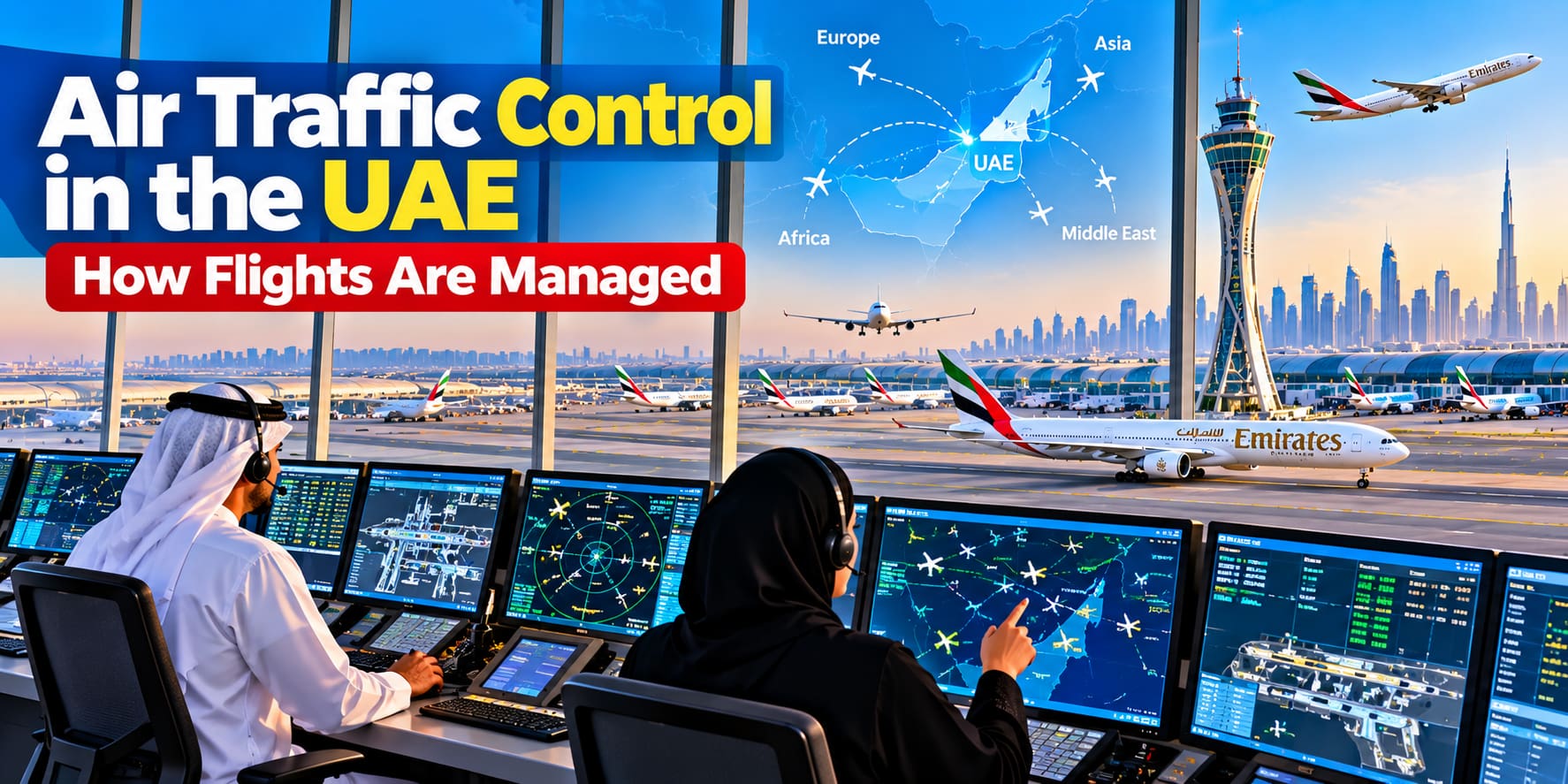
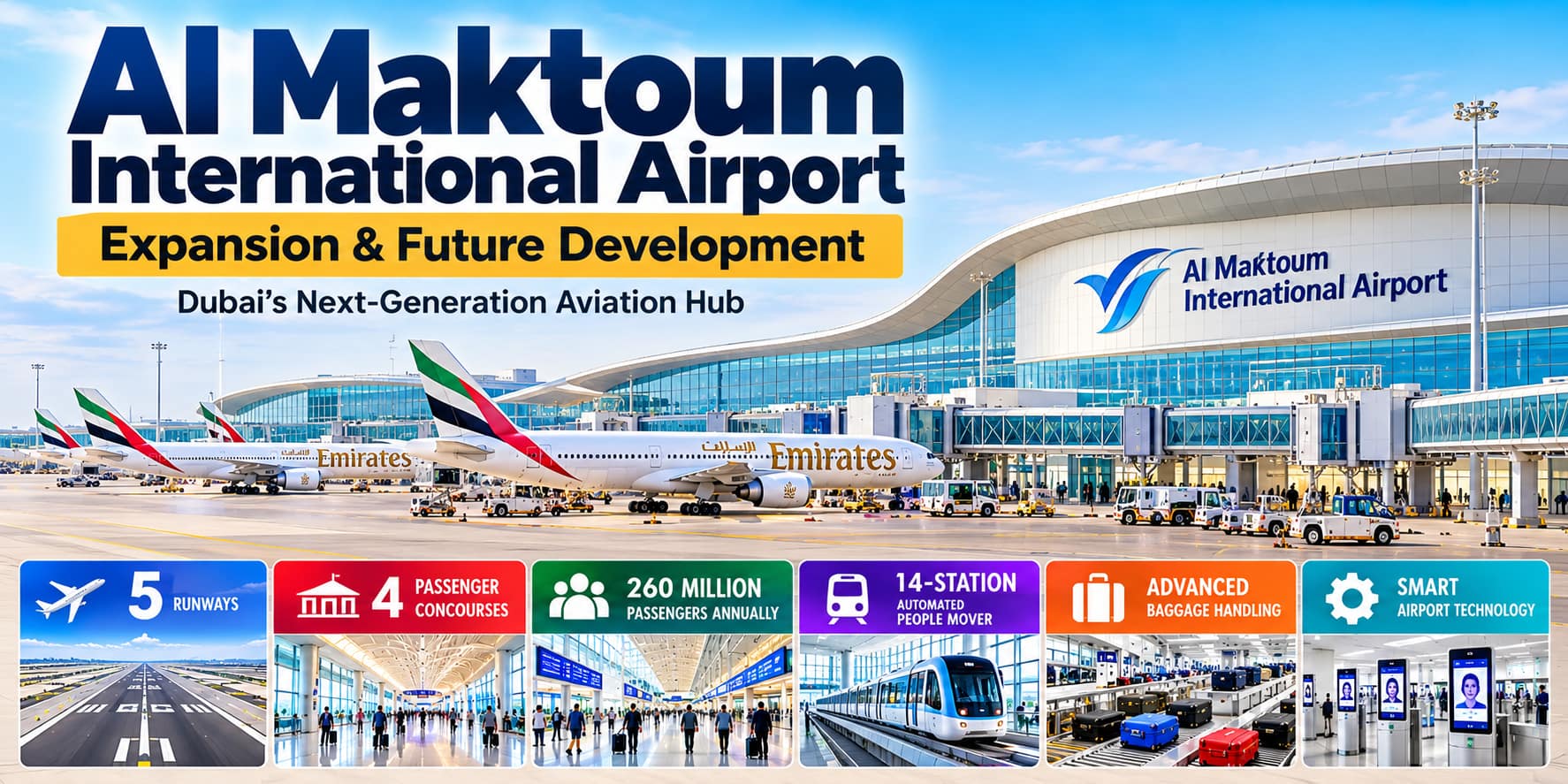
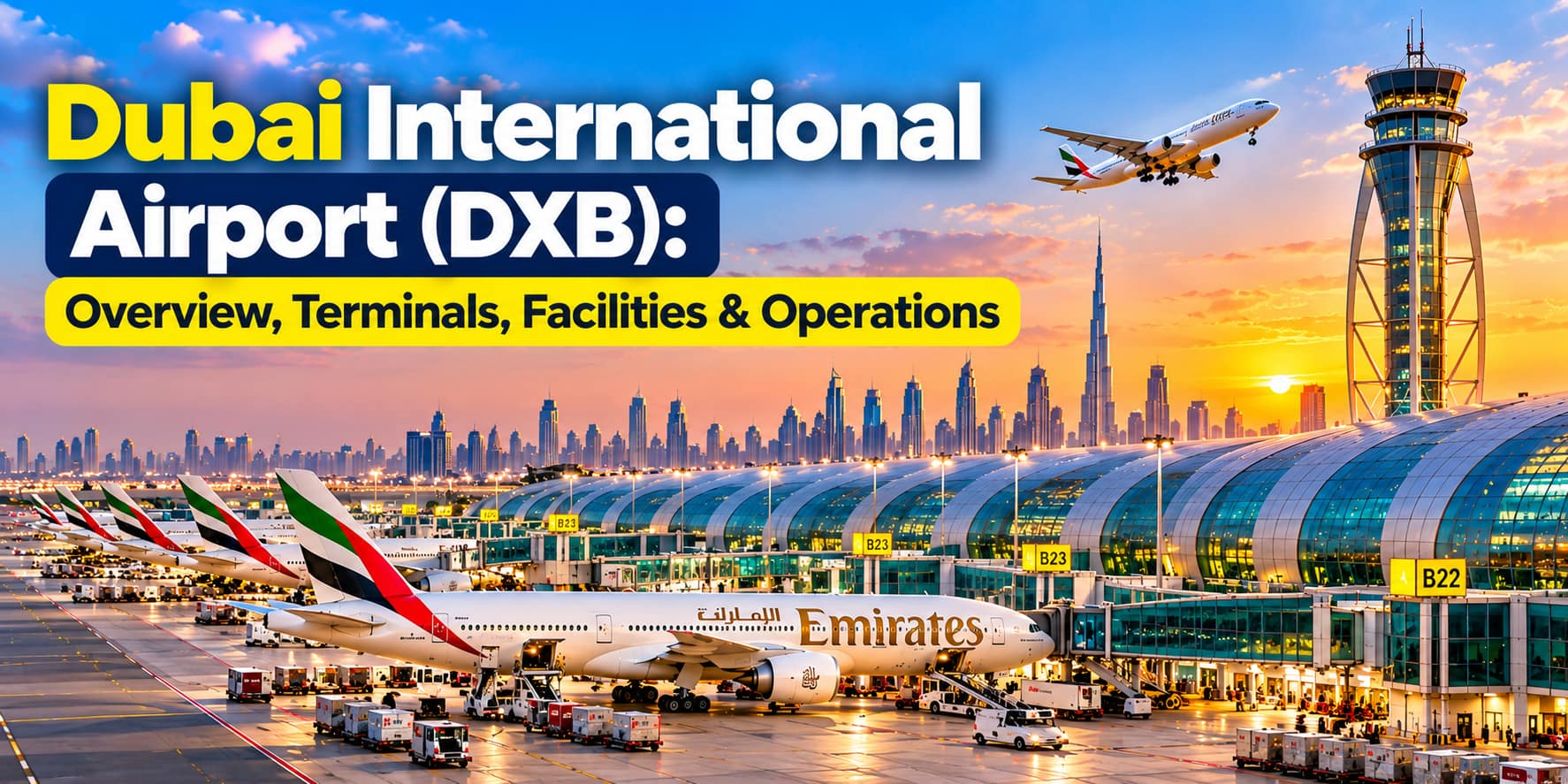
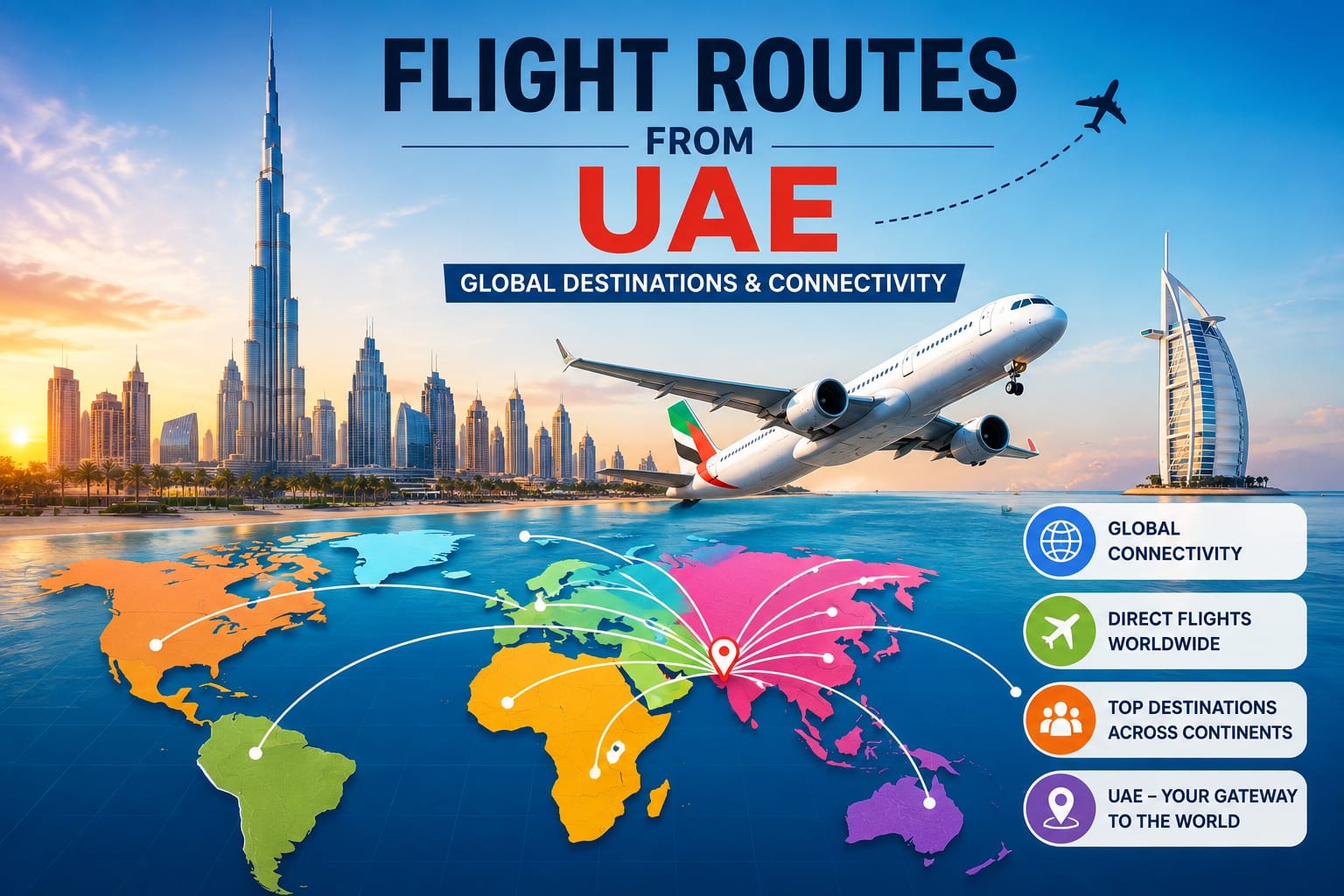





Air Traffic Control In The UAE: How Flights Are Managed
[…] UAE Air Cargo Industry: Airports, Logistics & Global Trade […]